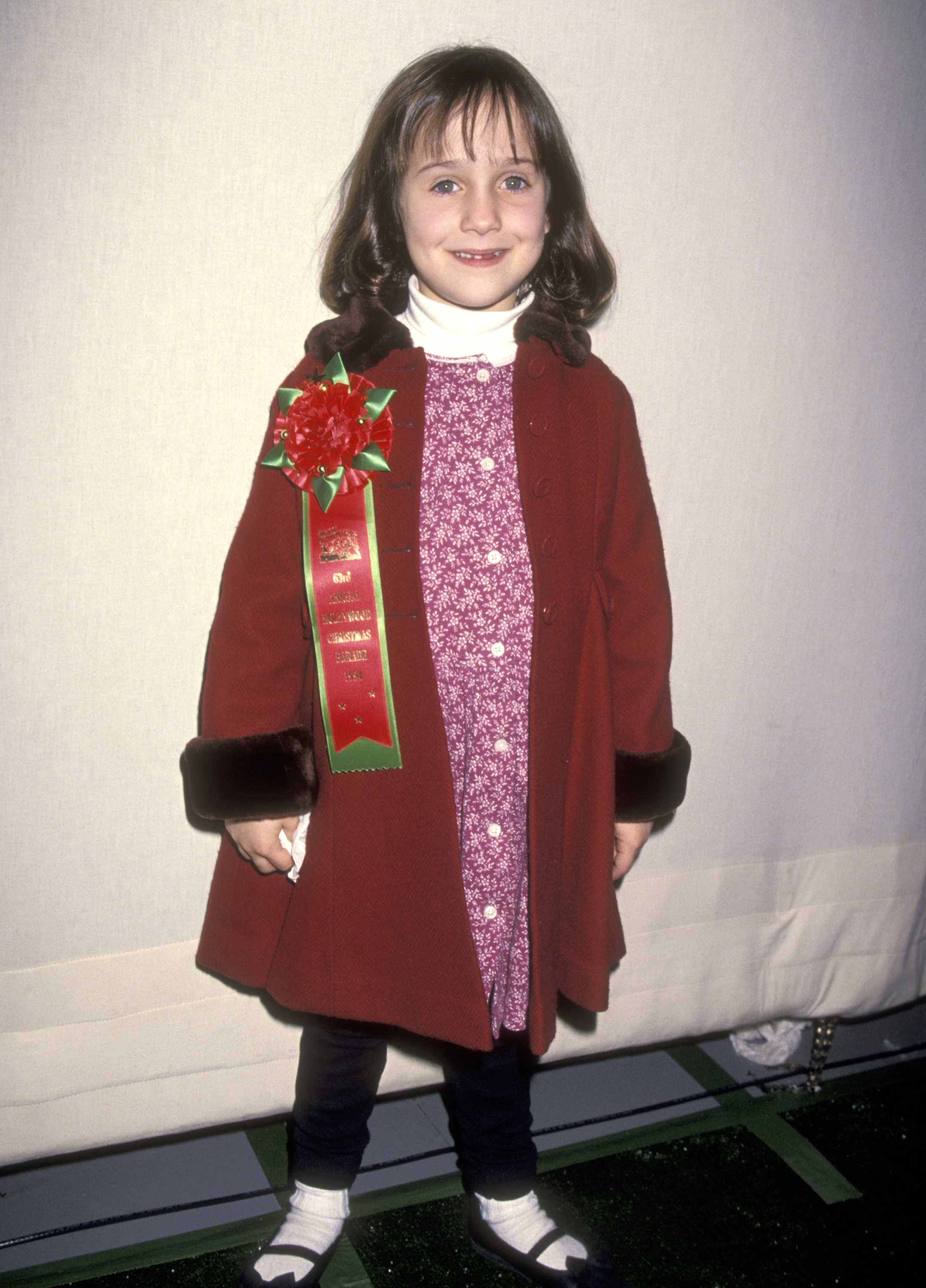
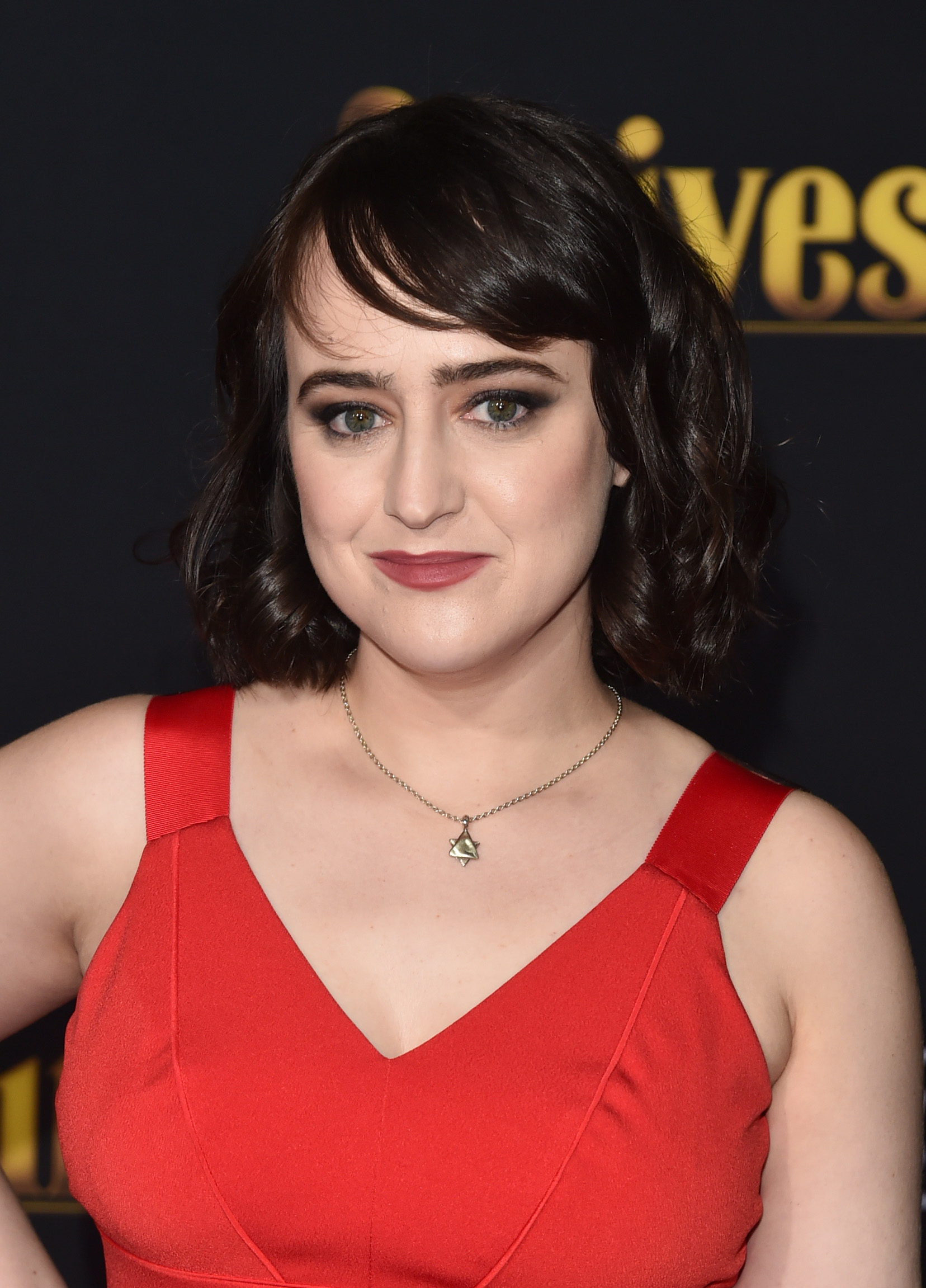
" I do n’t think you could be a child star without there being some kind of lasting damage . "
subject matter warning : This Emily Price Post has acknowledgment of abuse and rape
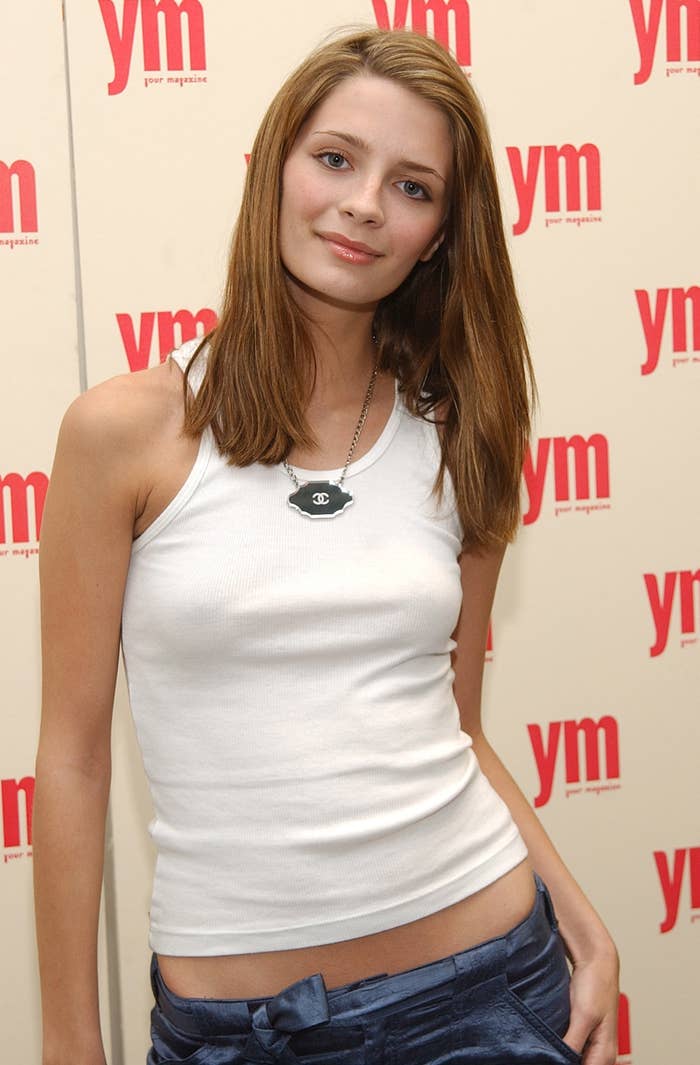
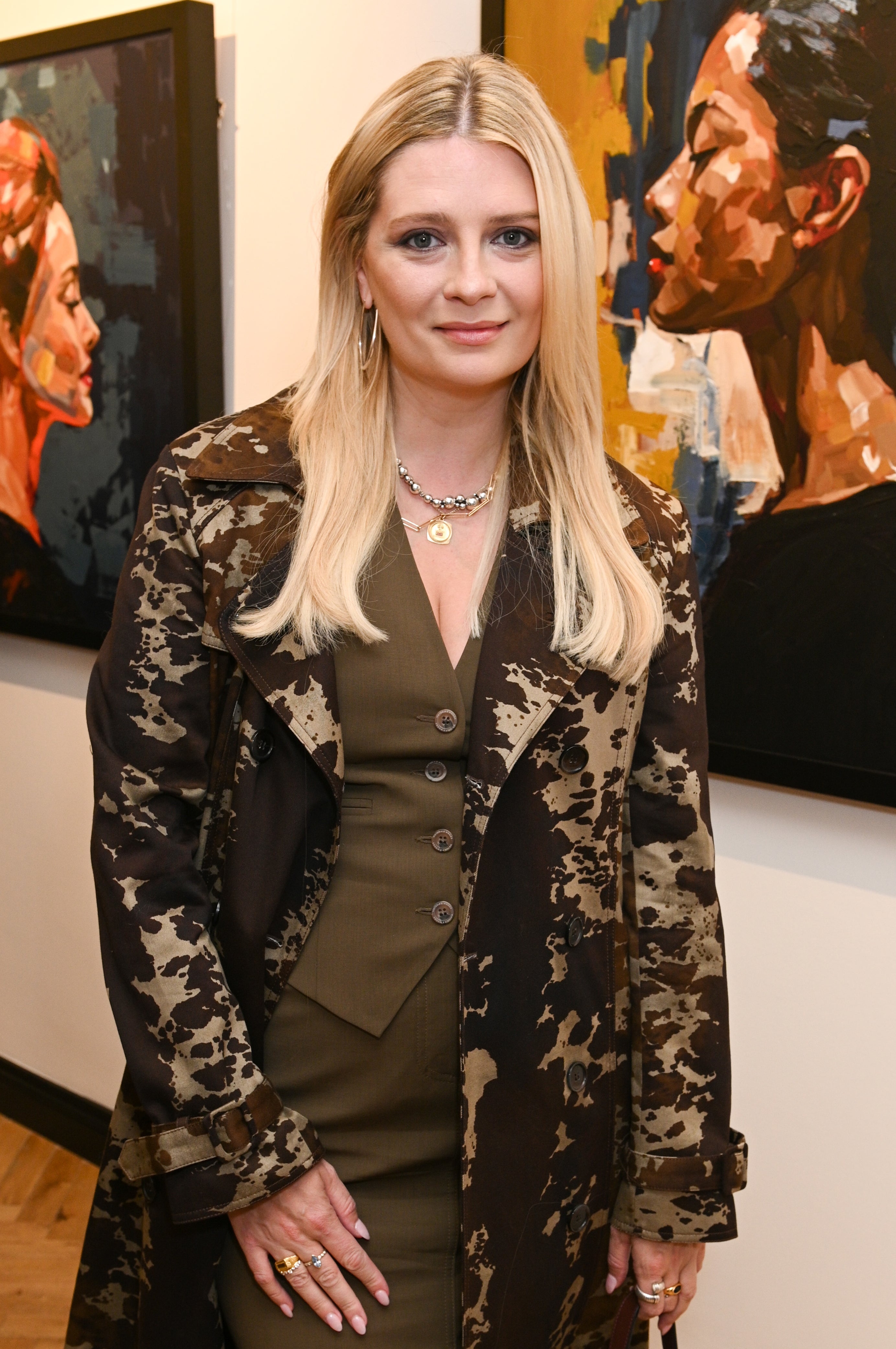
1.Mischa Barton basically became a household name overnight at age 17 when she played Marissa Cooper onThe O.C., andshe saidthe experience she had with the paparazzi was “veryHunger Games” and that she was hounded to the point that her car was tracked. “I was stalked,” she told theSunday Times. “I did go a little bit nuts at [one] point. I just felt really helpless.”
“You can go to therapy every day for the rest of your life,” she said. “But there’s just a certain amount of trauma [from] all that I went through, particularly in my early 20s, that just doesn’t go away overnight.” Mischa also expressed that she never sought out fame, and if she had to do it over again, she’d choose to be anonymous.
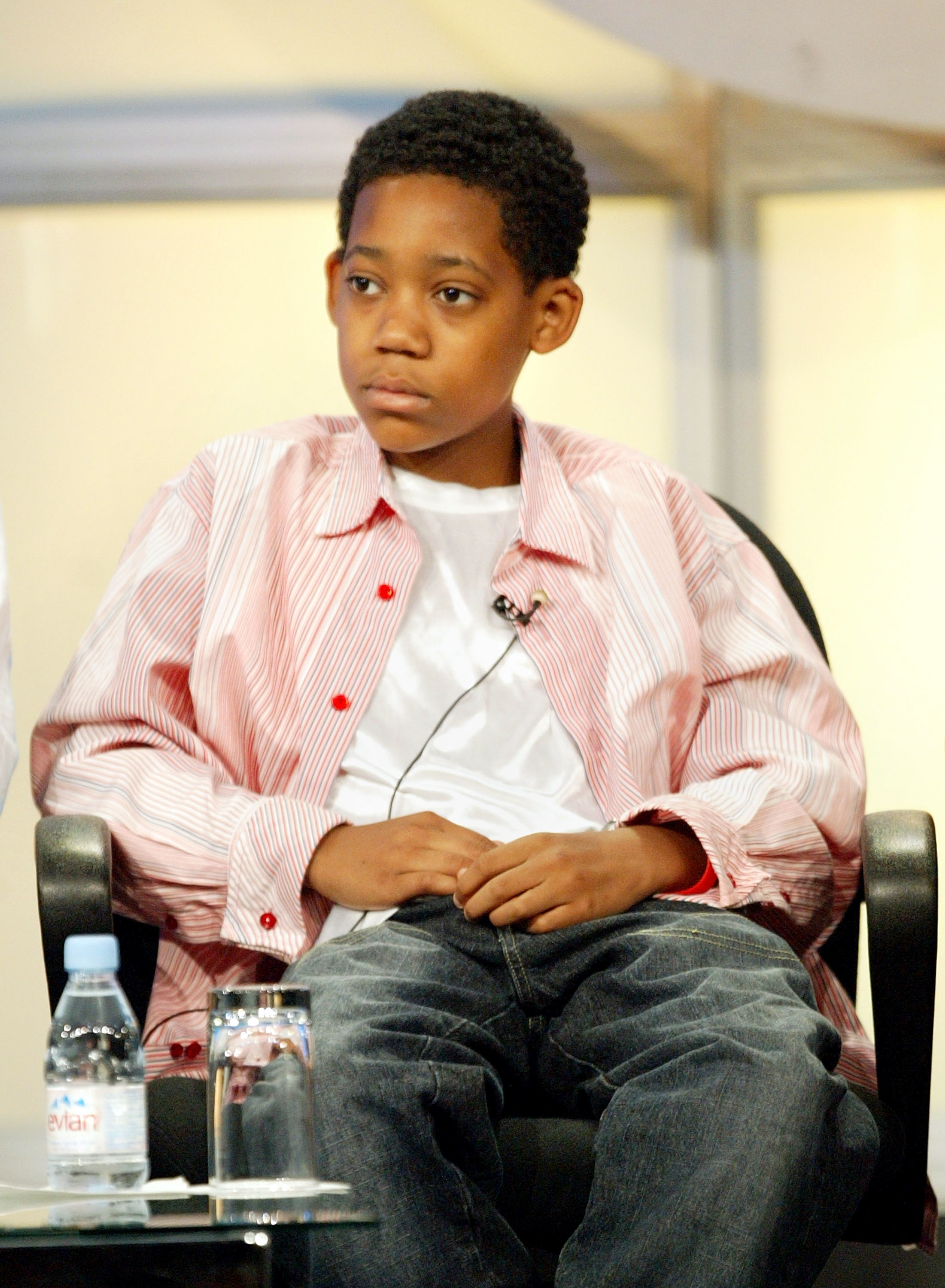
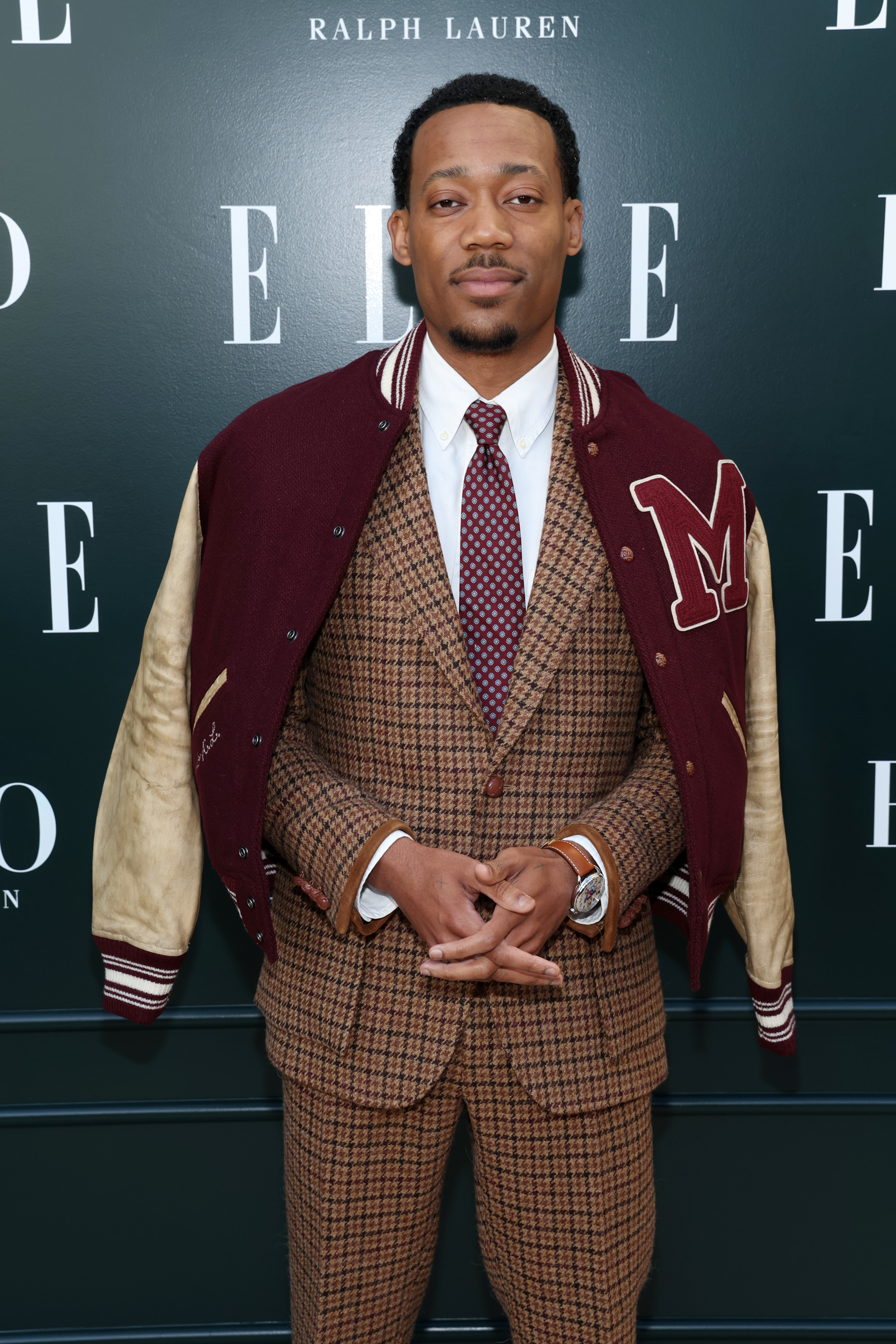
2.Tyler James Williamsstars onAbbott Elementarynow, but he got his big break starring onEverybody Hates Chrisin 2005 when he was only 13 years old. Looking backon that time, hetoldGQ that the experience of becoming famous so young was “the weirdest shit in the world,” particularly the idea that the whole world was watching his formative years. “The time this was happening was the same time the internet was becoming more ingrained in the industry,” he said. “So as I’m going through the most awkward years of my life, everyone sees it.”
“I still get triggered by things that are part of everybody else’s childhood,” he said. “Every time someone comes up to me, regardless of what it is they recognize me for, what that says to me in the moment is that I’m seen. I have to be on, immediately, because someone’s watching.” Tyler also shared that he sought therapy in order to help him cope.
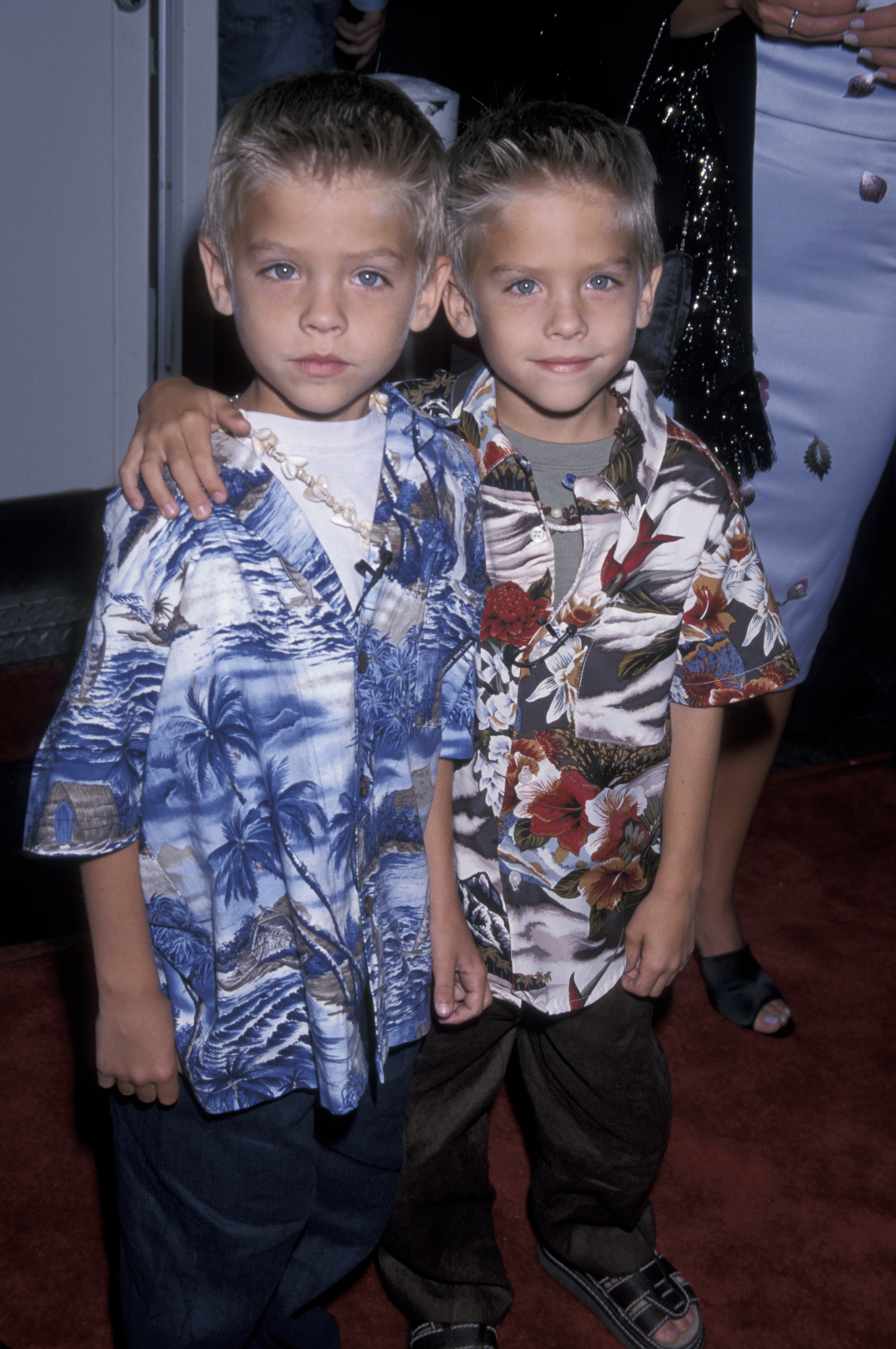
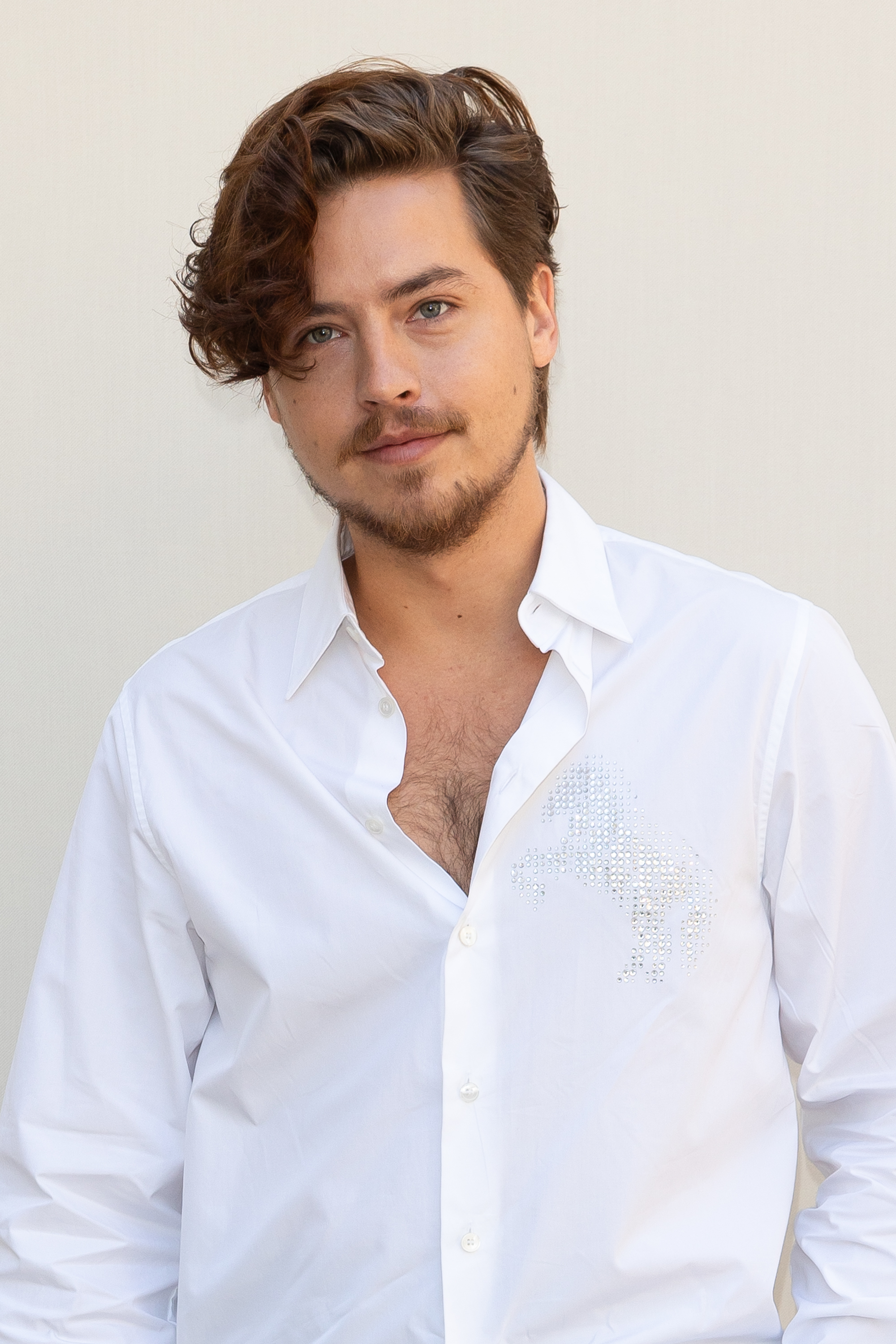
3.Cole Sprousehada lot of thoughtsabout the fact that many people say he and his brother Dylan got out of child stardom “unscathed” and explained that fame at that age is a trauma, but that his experience couldn’t even compare to the way his female costars were treated on theDisneyChannel. “The young women on the channel we were on [Disney Channel] were so heavily sexualized from such an earlier age than my brother and I that there’s absolutely no way that we could compare our experiences,” he toldthe New York Times. “Every single person going through that trauma has a unique experience. When we talk about child stars going nuts, what we’re not actually talking about is how fame is a trauma.”
He reflected about the fact that he became famousagainas an adult, and likened the experience to what he went through as a kid. “To be quite honest, as I have now gone through a second big round of this fame game as an adult, I’ve noticed the same psychological effects that fame yields upon a group of young adults as I did when I was a child,” he said. “I just think people have an easier time hiding it when they’re older.”
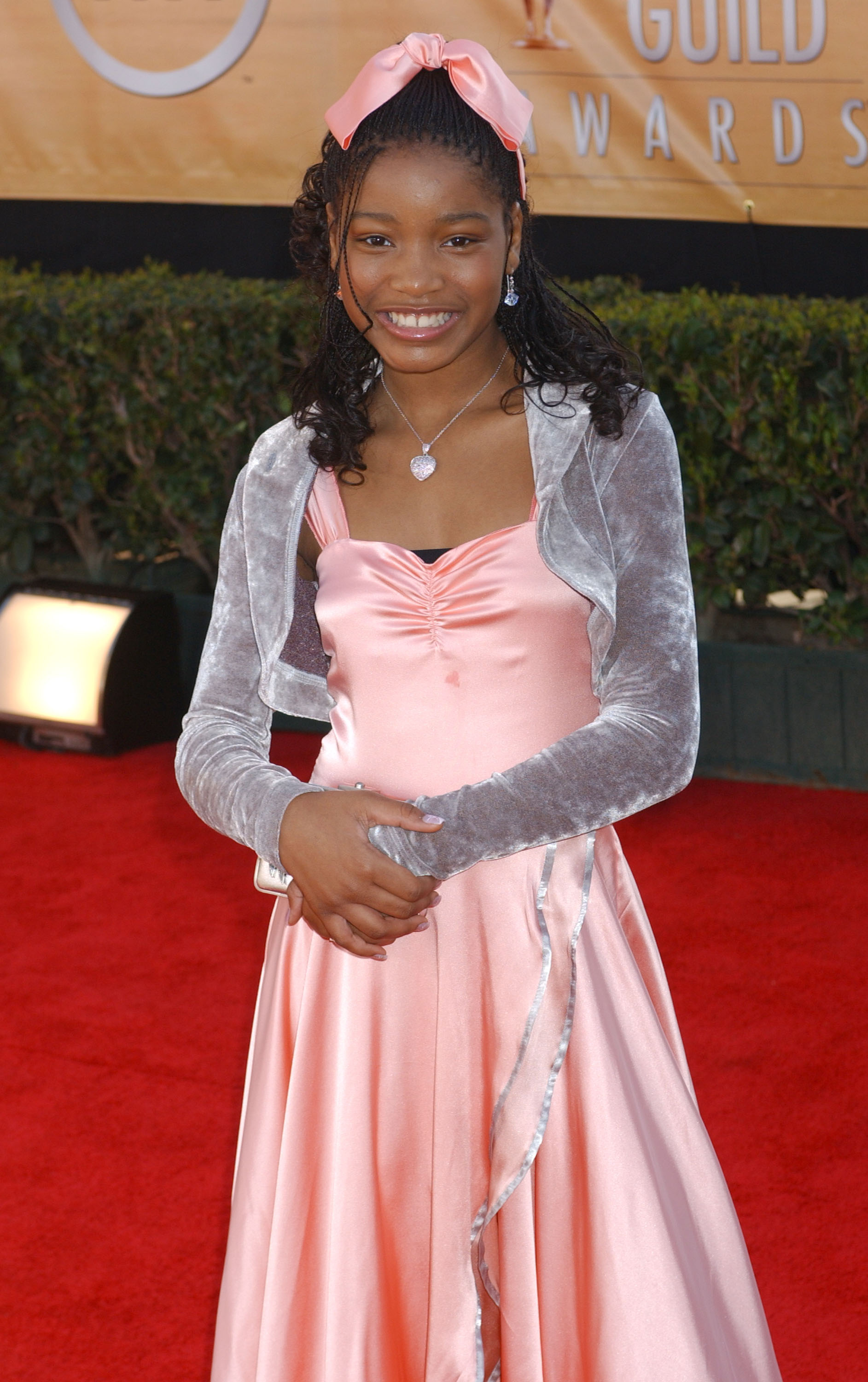
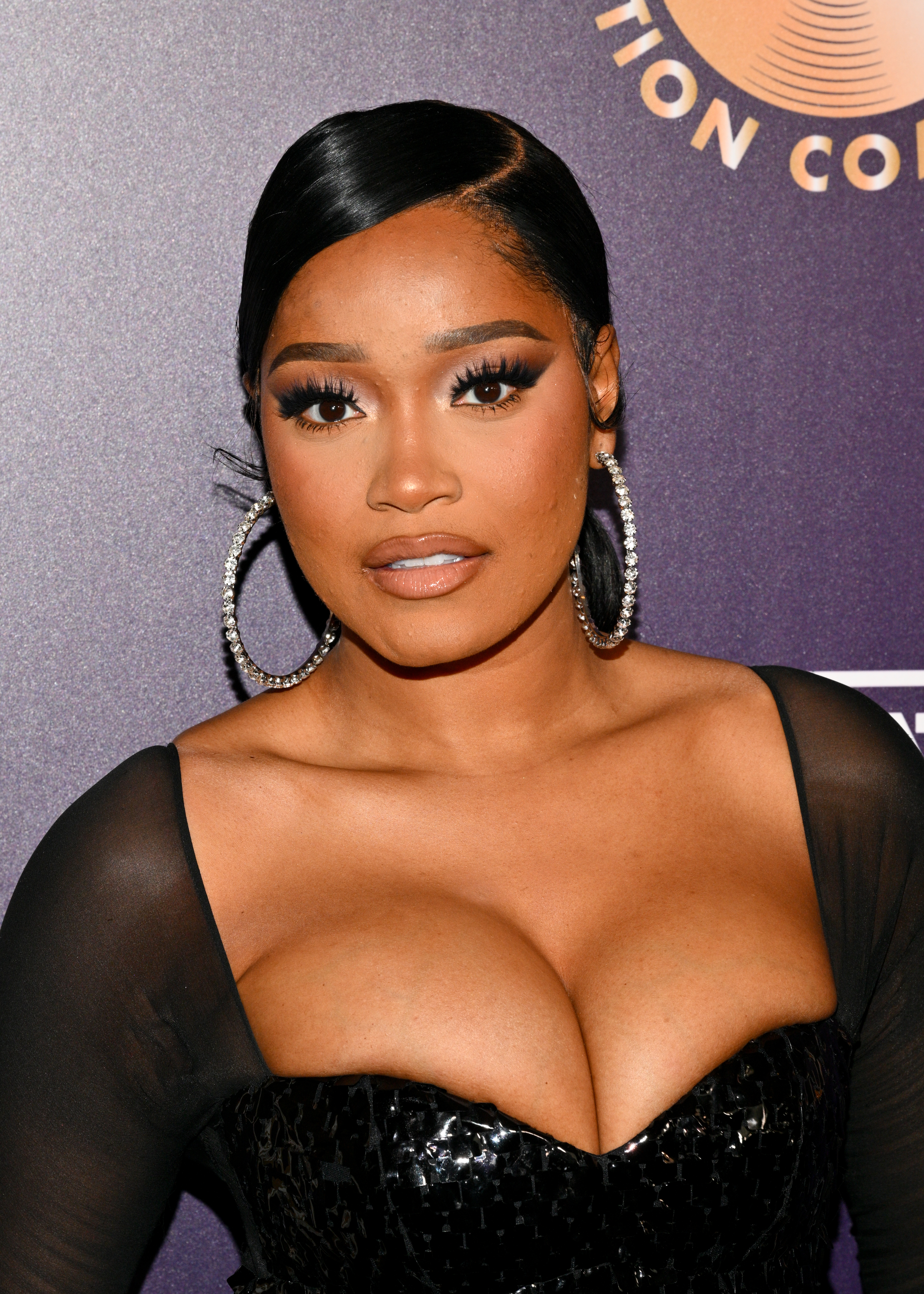
4.Keke Palmeropened up about her own experience with child stardom after getting her start in the movieAkeelah and the Beeand then starring on Nickelodeon’sTrue Jackson, VP. She toldthe Cutthat having all eyes on her at such a young age was “traumatic when I really experienced it, like after I didTrue Jackson, VP.” However, Keke did explain that she got used to the attention. “I tried to kind of control it a little bit more by setting boundaries for myself and being a little bit more realistic about what I needed from the people that would be around me,” she said. “Fame is a lot. People think that they want it, but it’s intense.”
“I don’t know why anybody wants it,” she continued. “It’s a lot to have a lot of attention on you all the time. It gives you a lot of anxiety. It’s nerve-racking. You’re looking over your shoulder all the time. ‘Is somebody going to try and humiliate me or use me for clicks or likes or, you know, whatever?‘Not everybody can handle it. It’s just a dangerous game.”
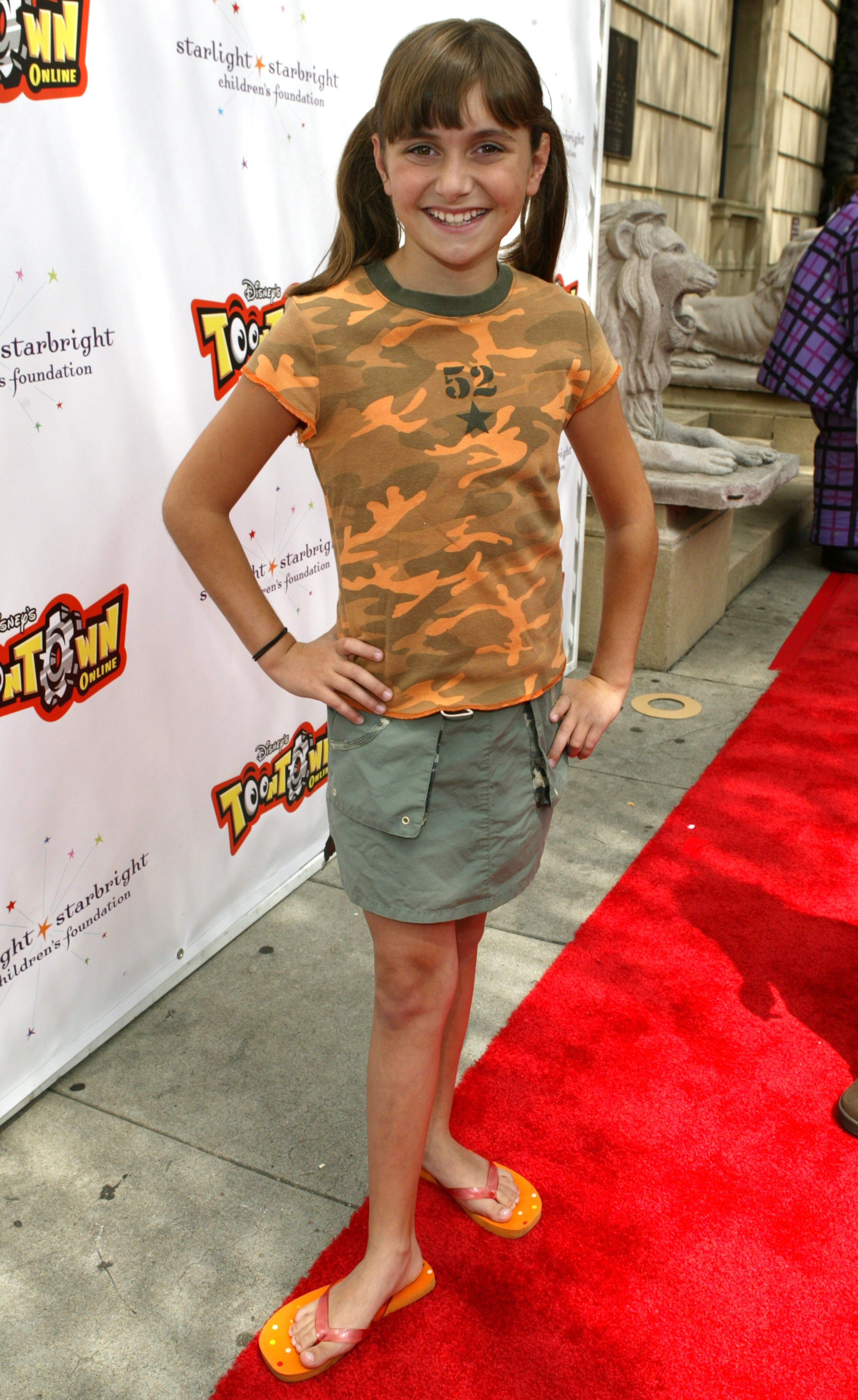
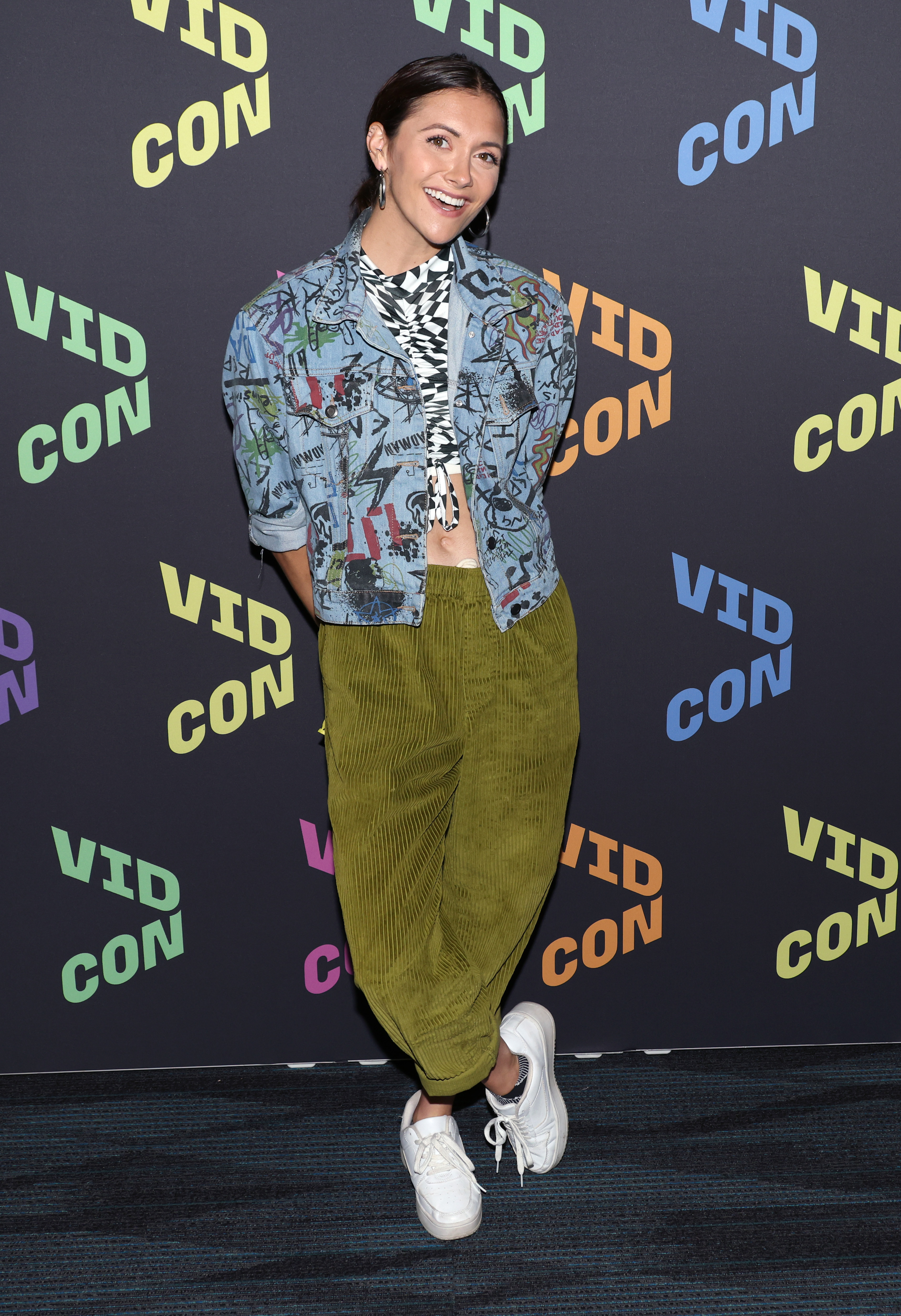
5.Alyson Stoner, who starred in projects like Disney Channel’sCamp RockandCheaper by the Dozen, has long been an outspoken voice and advocate for child actors. In 2021, they wrotea personal essaytitled “The Toddler to Trainwreck Industrial Complex” about child stardom, which is worth a read in its entirety. In the essay, Alyson details everything from the trauma of having to audition with a scene of a character getting kidnapped and raped to the ways that studios would get around following child labor laws.
“Nothing was designed for me to end up… ‘Normal.’ ‘Stable.’ ‘Alive,'” they wrote. “[The toddler-to-trainwreck pipeline] is expertly constructed and bolted in place by censoring the harm happening behind the scenes, manicuring aspirational lifestyles and outcomes, and then watching young lives tragically implode.”
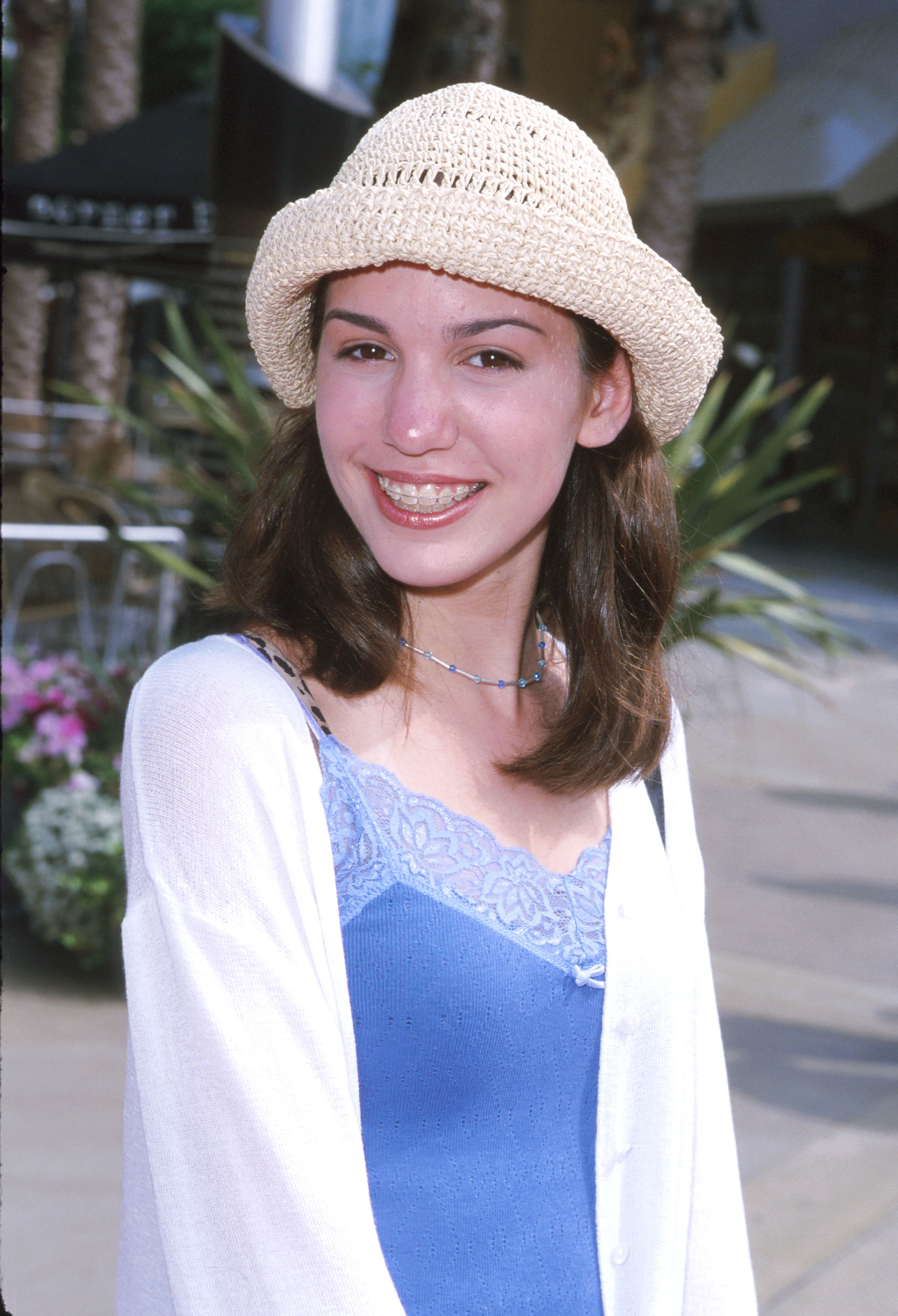
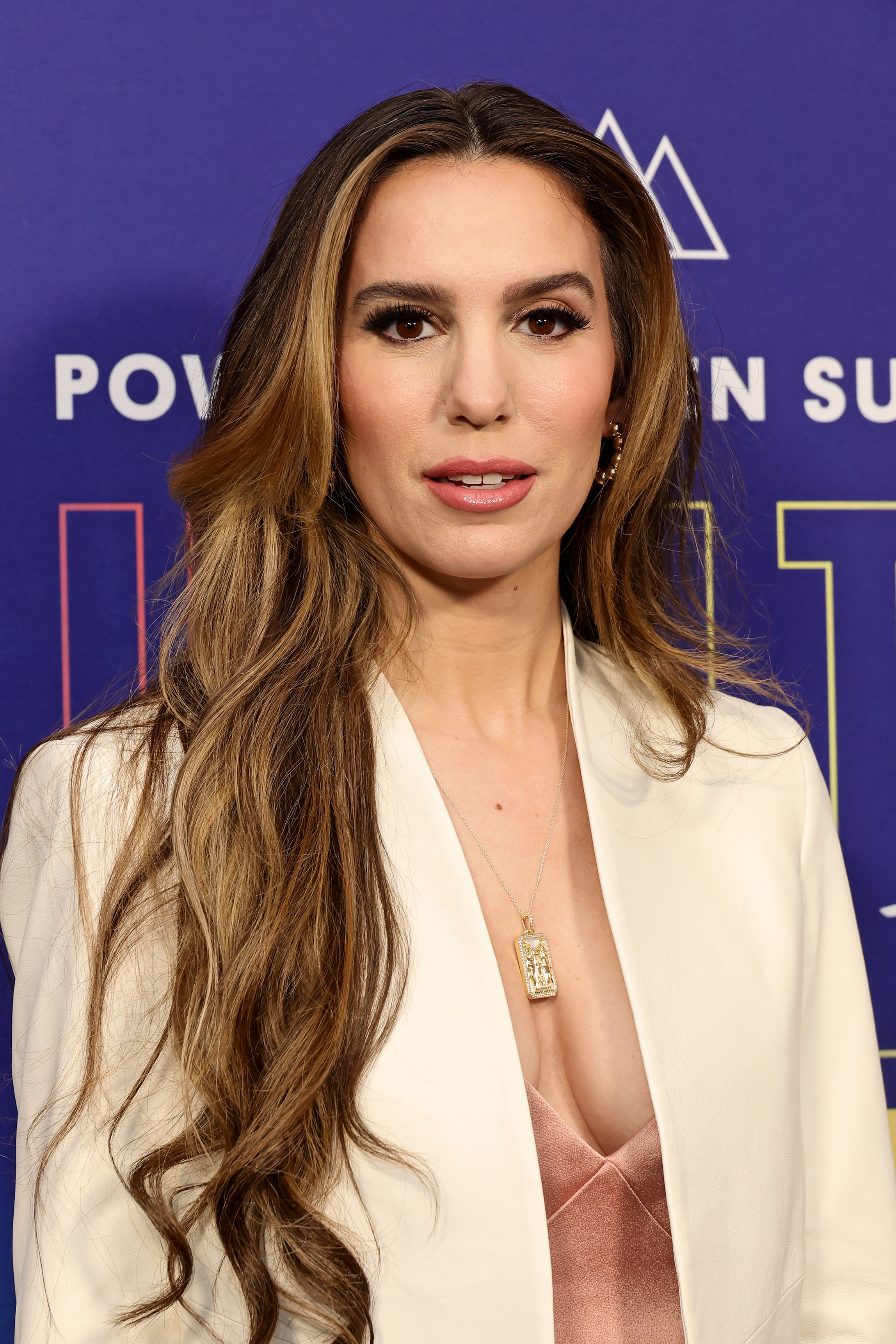
6.Christy Carlson Romano starred on the Disney Channel in projects likeEven StevensandCadet Kellyafter moving to Hollywood at age 14, and she’s been super candid about the negative sides of child stardom. “I can promise you I’ve been through trauma,” shesharedwith the US Sun. She shared the surprising ways child stardom can have an impact on a kid, from the way that moving to Hollywood disrupted her whole family to having her mom be her manager as well to how isolating the whole experience can be.
As an adult, Christy has been really open about her experiences as a child actor on herVulnerablepodcast, where she talks with fellow former child stars and advocates for change and better working conditions for kids. “People ask me if I’d put my two girls in show business, and I’ve told them that I want them to be introduced to the arts without making it all about the money,” she says. “There’s a difference between enjoying something, and not being a part of a broken system.”
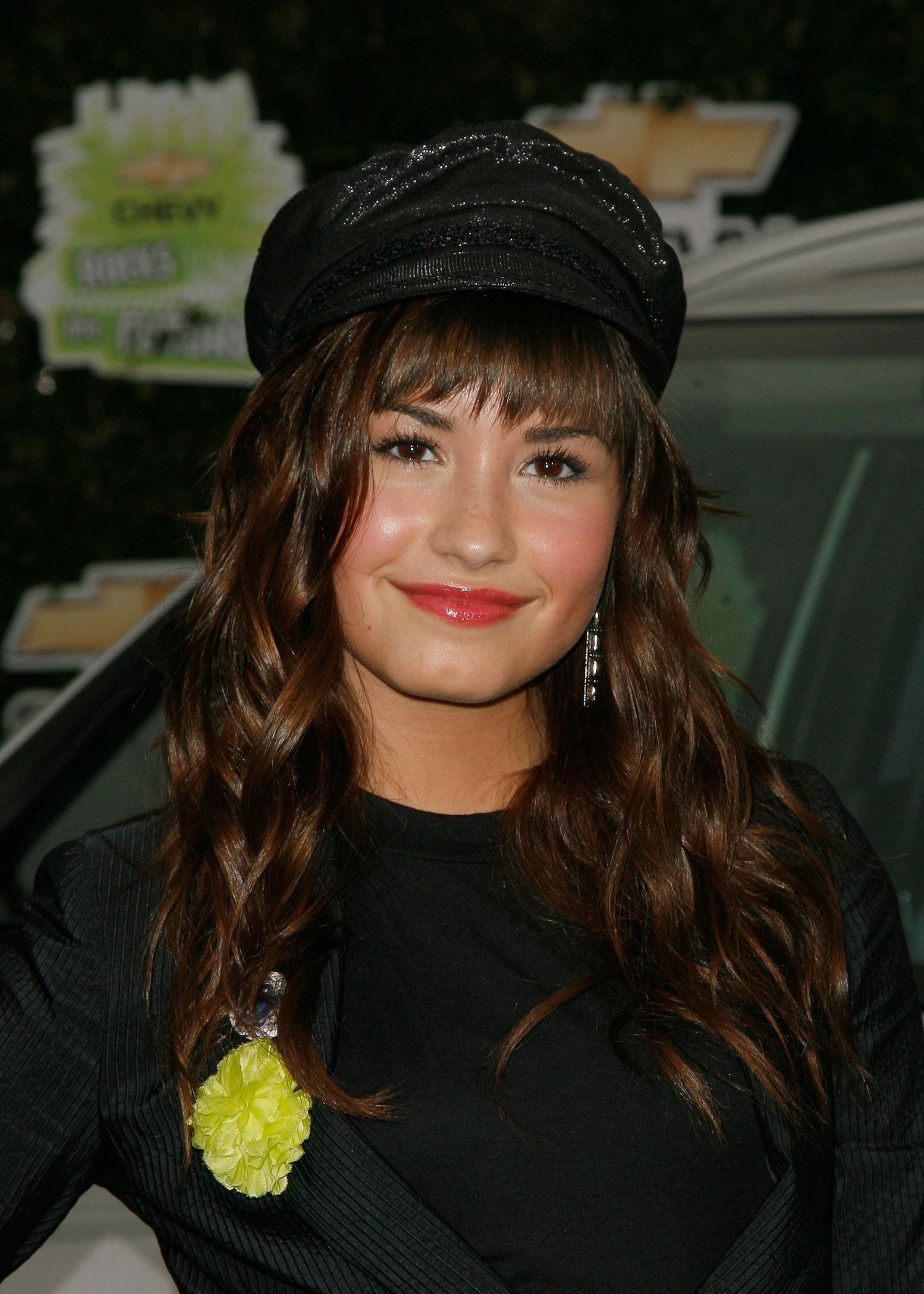
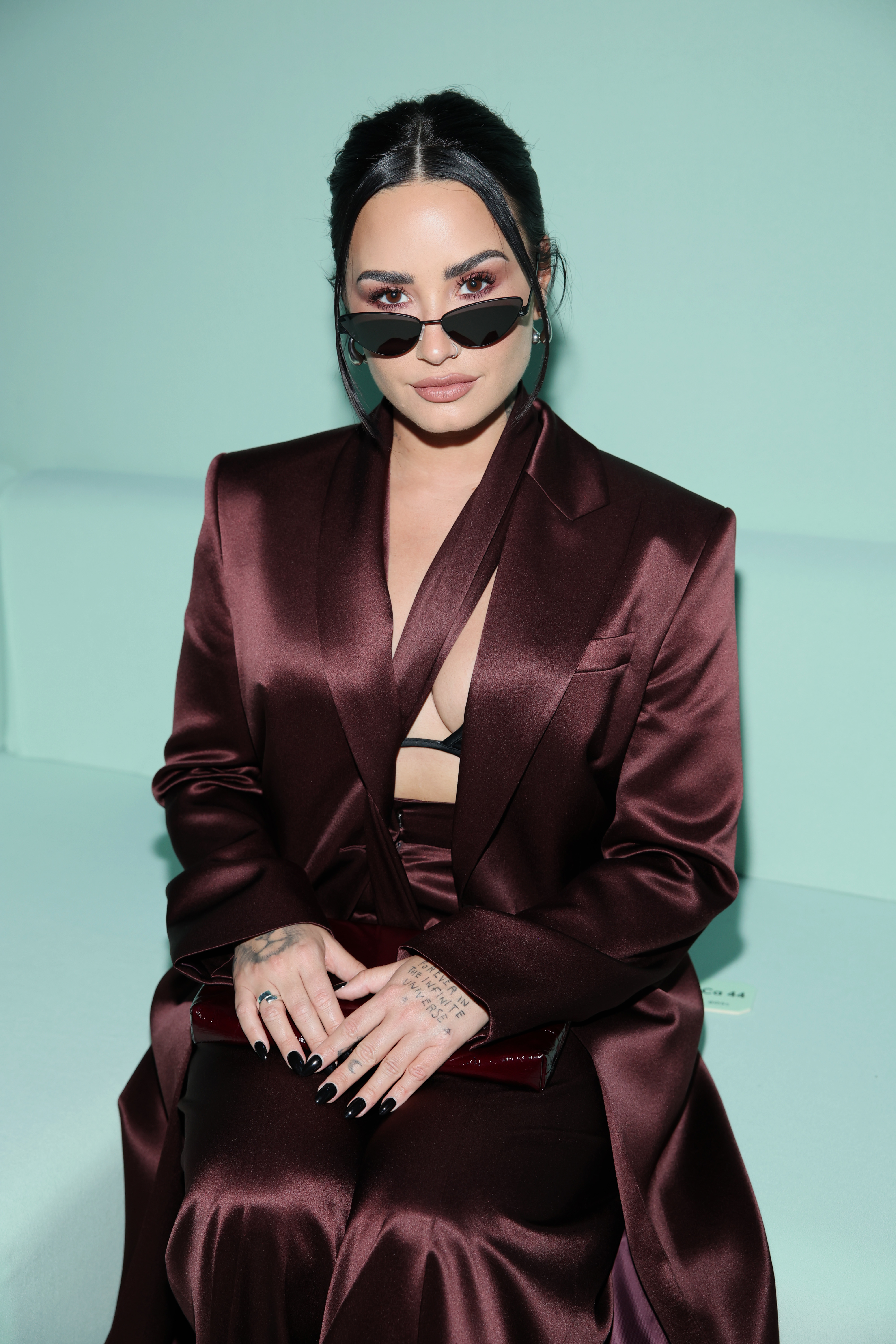
7.Demi Lovato had her big break on the Disney Channel, but she started acting at age 10 onBarney & Friends. “I’ll always look at child stardom, at what I went through, as something traumatic for me,” shetoldNylon. “No child should ever be in the limelight. It’s too much pressure. There’s an absence of childhood that you never get to experience. It makes things confusing because you develop problems from that experience, whether it’s addiction or trust issues or financial stress. It follows you into adulthood.”
“In your teens, people who aren’t in the spotlight are still trying to figure themselves out. They’re going to parties. They’re making mistakes. And it’s like, if you’re a 15-year-old and you’re making mistakes, it’s magnified,” she said. “If I were to have kids and they came to me and said, ‘Mom, I want to be in the industry,’ I would have to say, ‘Please wait until you’re 18. Give yourself a childhood.'”
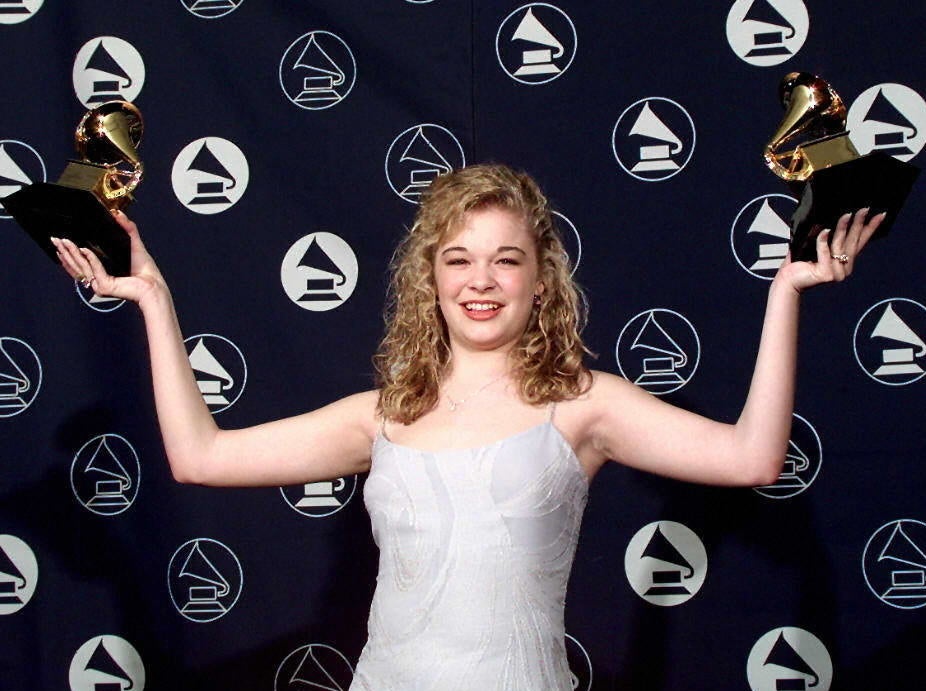
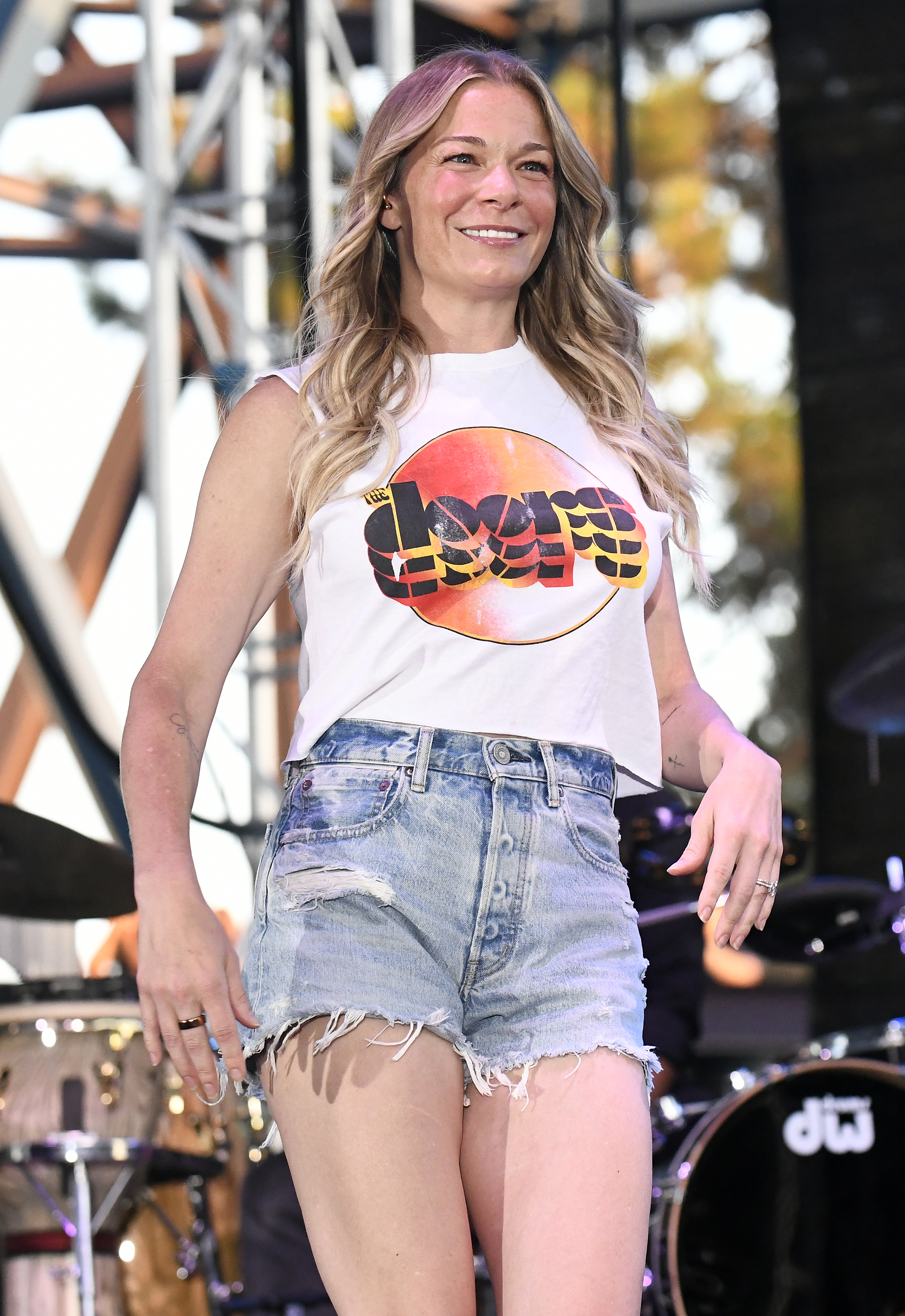
8.LeAnn Rimes, who at the time in 1997 became the youngest person to ever win a Grammy when she was only 14 years old, has said she rarely ever reflects on achieving so much fame at such a young age in order to “maintain sanity,” but when she does, she sees just how much she survived. “The traumatic parts of it kind of outshadow and outweigh the success and all the accomplishments.”
“I always joke about this, but it’s not really funny… There was never anyone for me to really call on and say, ‘Hey, how did you get through this?’ Because most all of us that start at that age are dead or still really shaken by the whole experience,” she said. “I feel like probably one of my greatest accomplishments has been surviving childhood stardom and thriving past it and finding my own healing and my own healing journey because not everyone is so fortunate.”
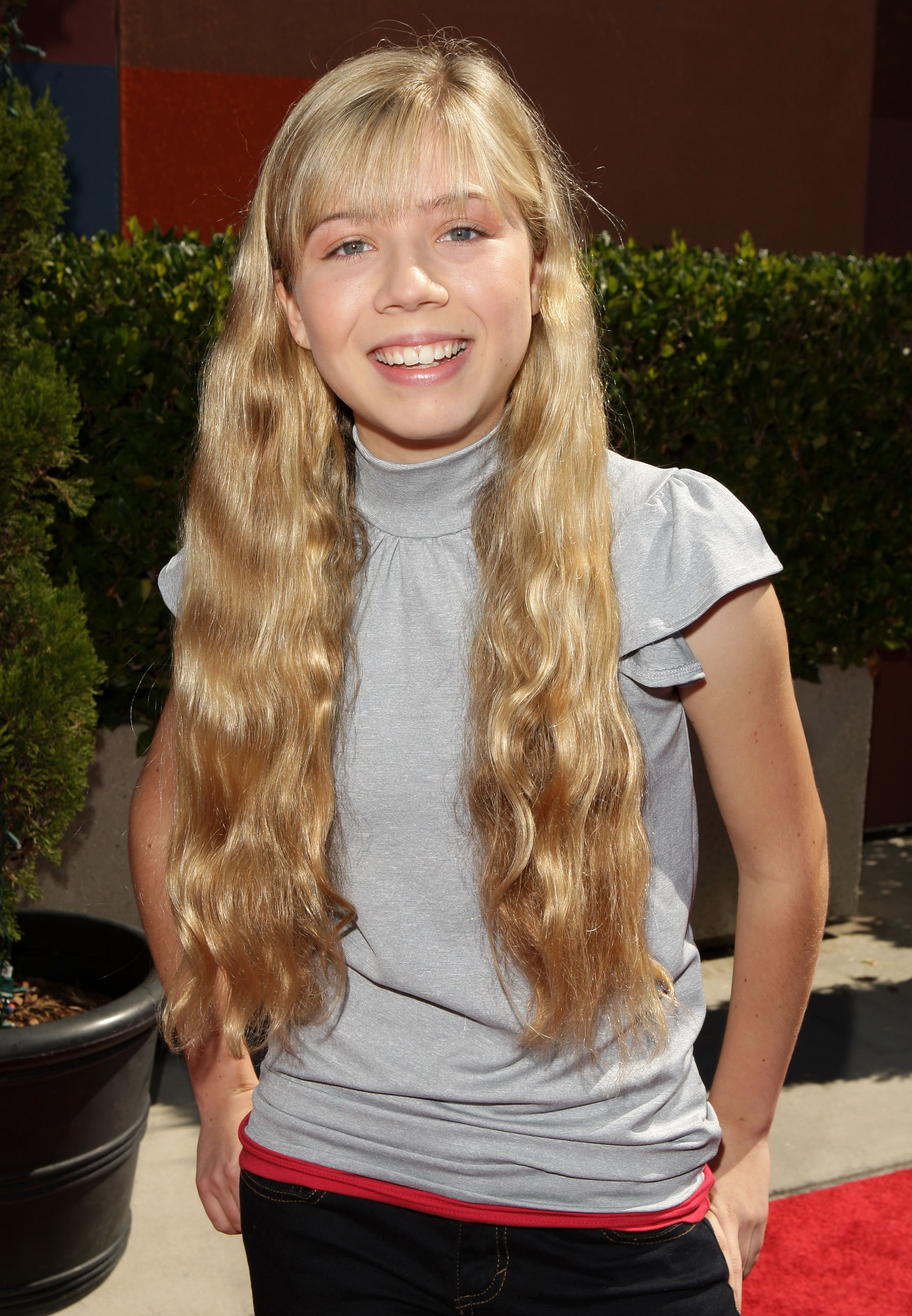
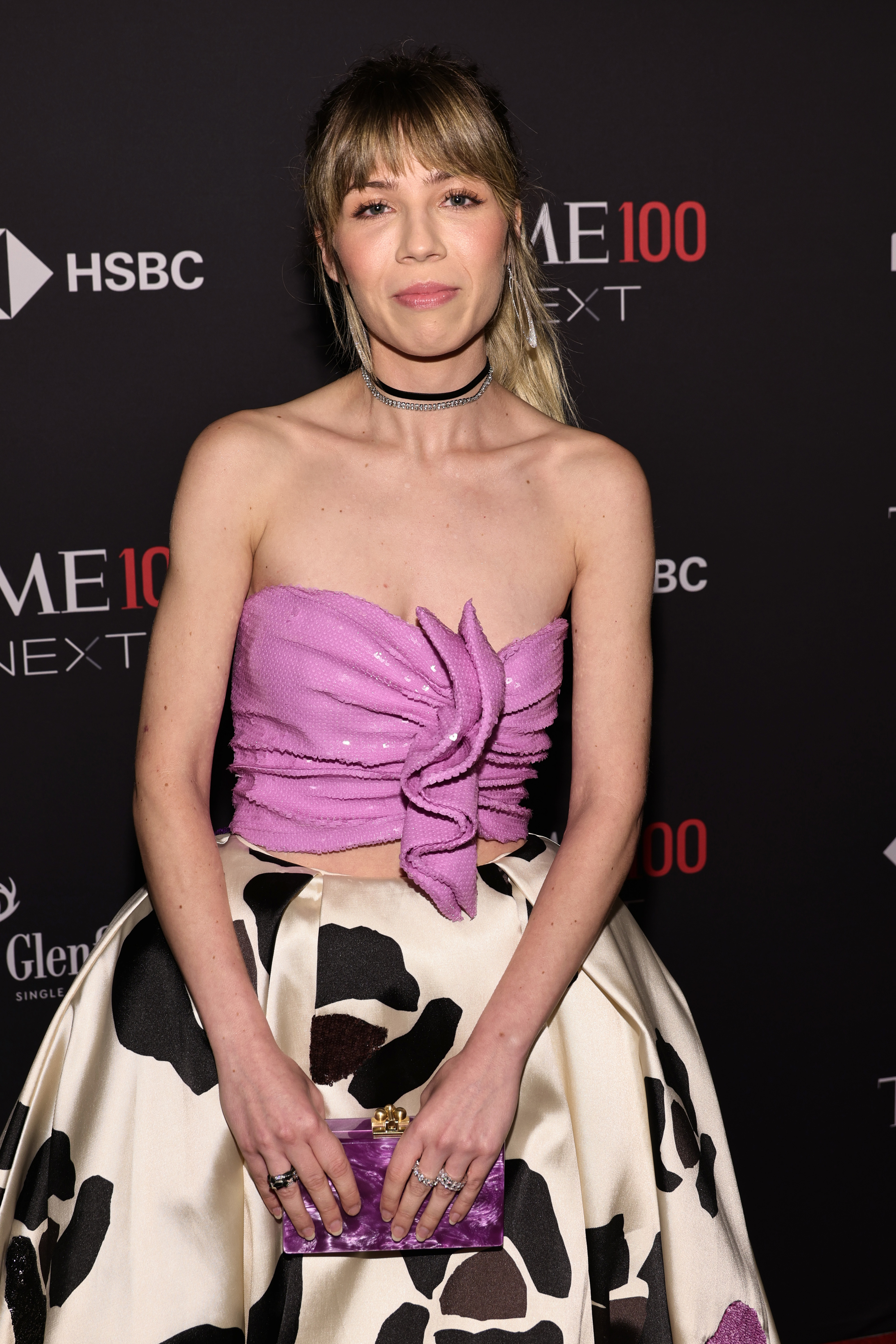
9.Jennette McCurdy wrote an incredibly candid and heartbreaking memoir calledI’m Glad My Mom Diedaboutthe trauma she enduredfrom her mother and generally during her time on Nickelodeon, specifically from a director whom she only calls “The Creator” throughout her book but is widely believed to be Dan Schneider. “My whole childhood and adolescence were very exploited,” shetoldthe New York Times about reflecting on her child stardom. “It still gives my nervous system a reaction to say it. There were cases where people had the best intentions and maybe didn’t know what they were doing. And also cases where they did — they knew exactly what they were doing.”
She also has said she’s never been able to watch back any of the projects she worked on as a child because they’re a reminder of that time.
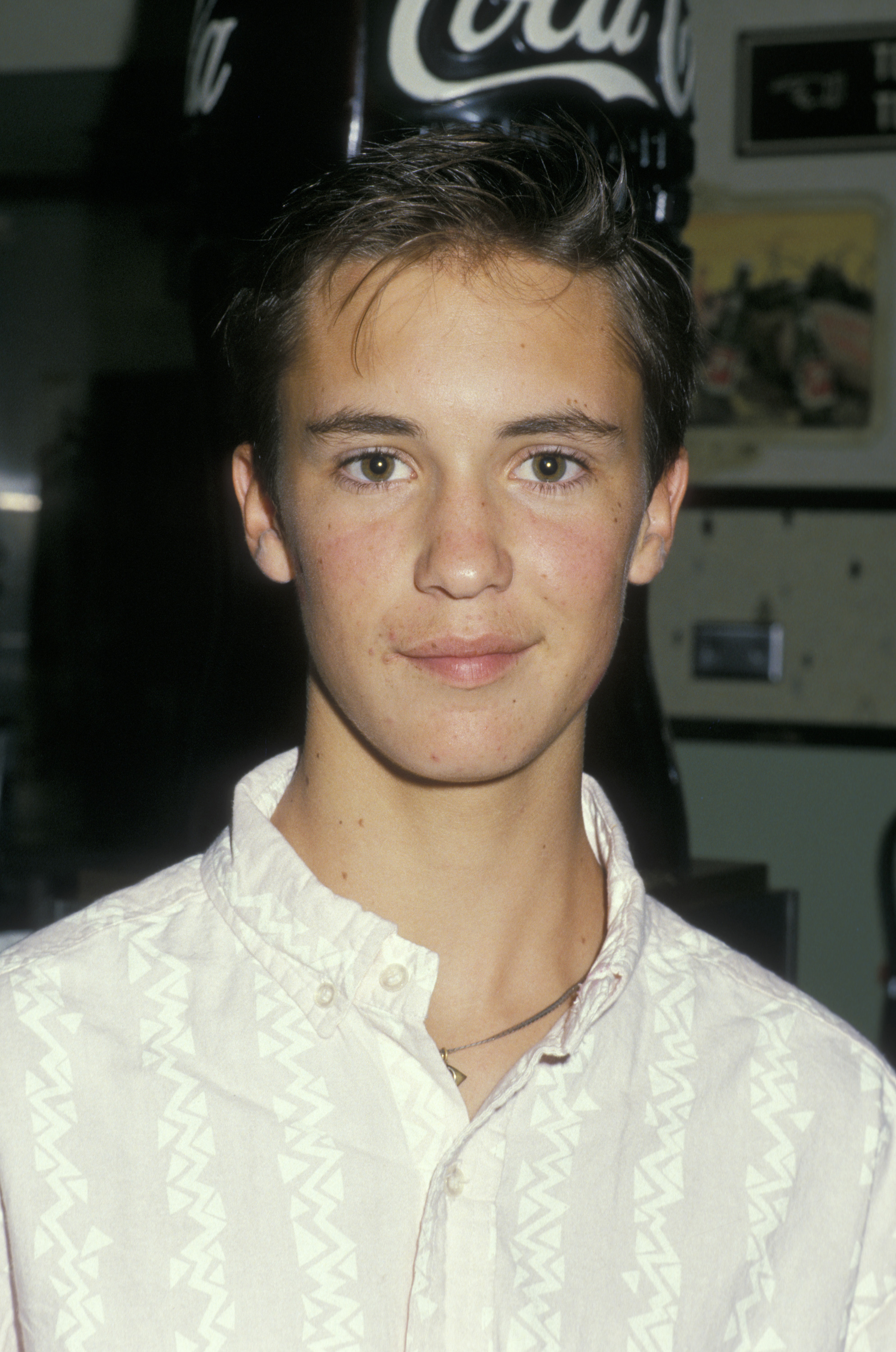
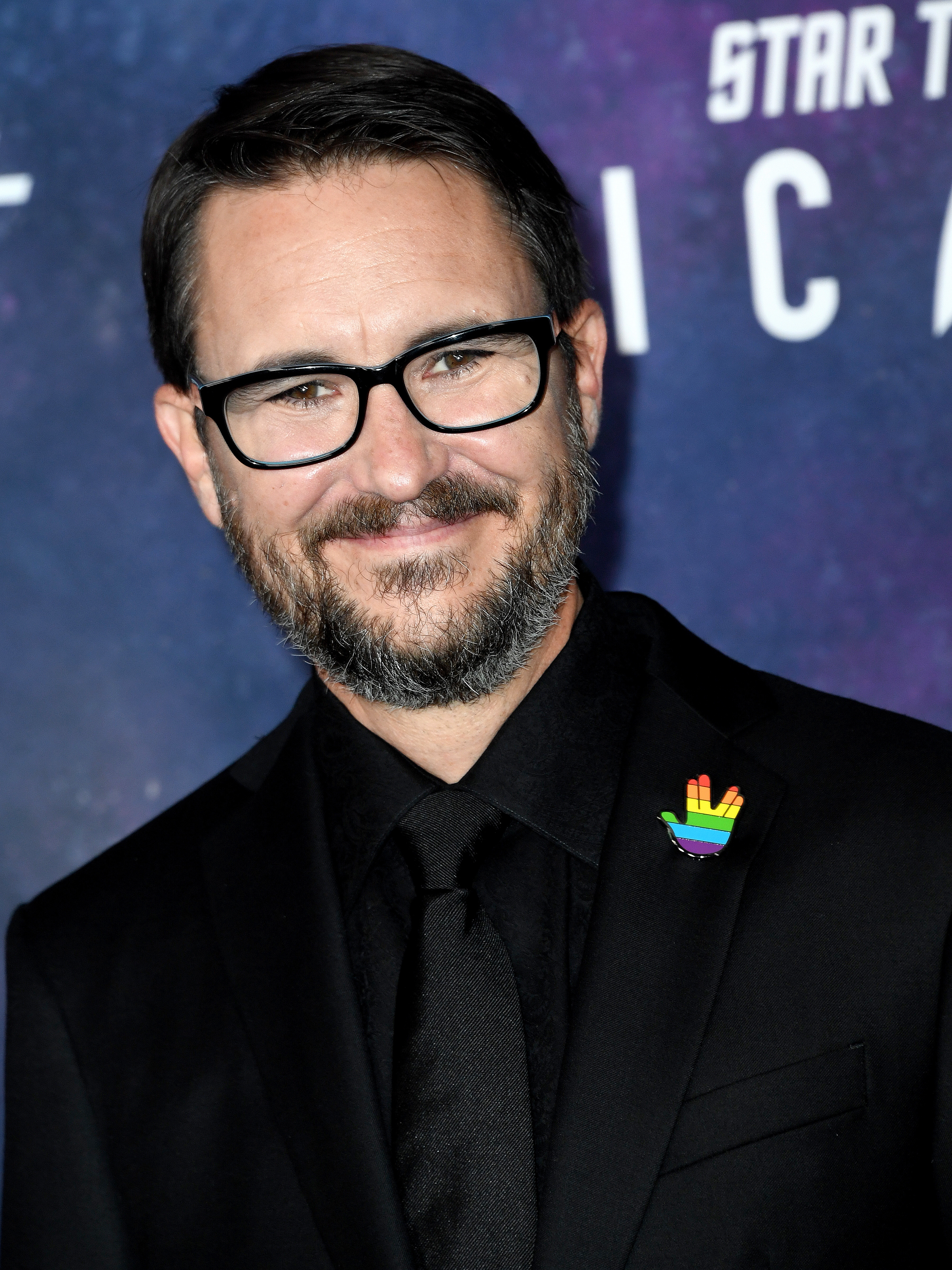
10.Wil Wheaton, who starred inStand By MeandStar Trek: The Next Generationamong many other projects as a child, opened up about a side of child stardom that’s unfortunately quite prevalent — he never wanted to be an actor in the first place, and his parents “forced” him into it. “My mother made me do it,” hetoldYahoo Entertainment. “My mother coached me to go into her agency and tell the children’s agent, ‘I want to do what mommy does.'”
“And then through a combination of an incredible emotional abuse from my father and a lot of manipulation, using me, from my mother, like really put me in that place,” he shared, about his emotional state when he filmedStand by Me. “Which, as it turns out, put me in the exact place to play Gordie. Because Gordie’s experience very much reflected my experience. We’re both invisible in our homes. We both have a brother who is the golden child. We’re both the scapegoat in the family. When I watchStand by Menow, I cannot ignore the unbelievable sadness in my eyes. And I cannot ignore the reality that it was that sadness, that isolation, that I think gave me what Gordie needed to come to life and I think Rob Reiner saw that.”
11.Finally, Mara Wilson, who starred in films likeMatildaandMrs. Doubtfire, has also been outspoken about the negative side of the entertainment industry and child stardom. However, from Mara’s perspective, it was the media that was more damaging to her than being on film sets. “I don’t think you can be a child star without there being some kind of lasting damage,” shetoldthe Guardian. “The thing that people assume is that Hollywood is inherently corrupt, and there’s something about being on film sets that destroys you. For me, that was not necessarily true. I always felt safe on film sets… I worked with a lot of really wonderful directors, who were used to working with children.”
“People don’t realize how much constantly talking to the press as a child weighs on you. When you have fans, you can no longer be yourself when you’re out in public, and there were times that I was having a bad day, because I was an emotional teenager, or because my mother had just died…I saw that they were disappointed that I wasn’t as smart, pretty, nice, as they expect you to be. I think they were expecting me to be Matilda, and she’s wonderful, but she’s not real. She’s brilliant in every single way. She’s smart and kind and powerful. Then they met me, this nerdy, awkward teenager who got angry sometimes, but couldn’t even channel her anger into powers… I was never going to live up to that.”