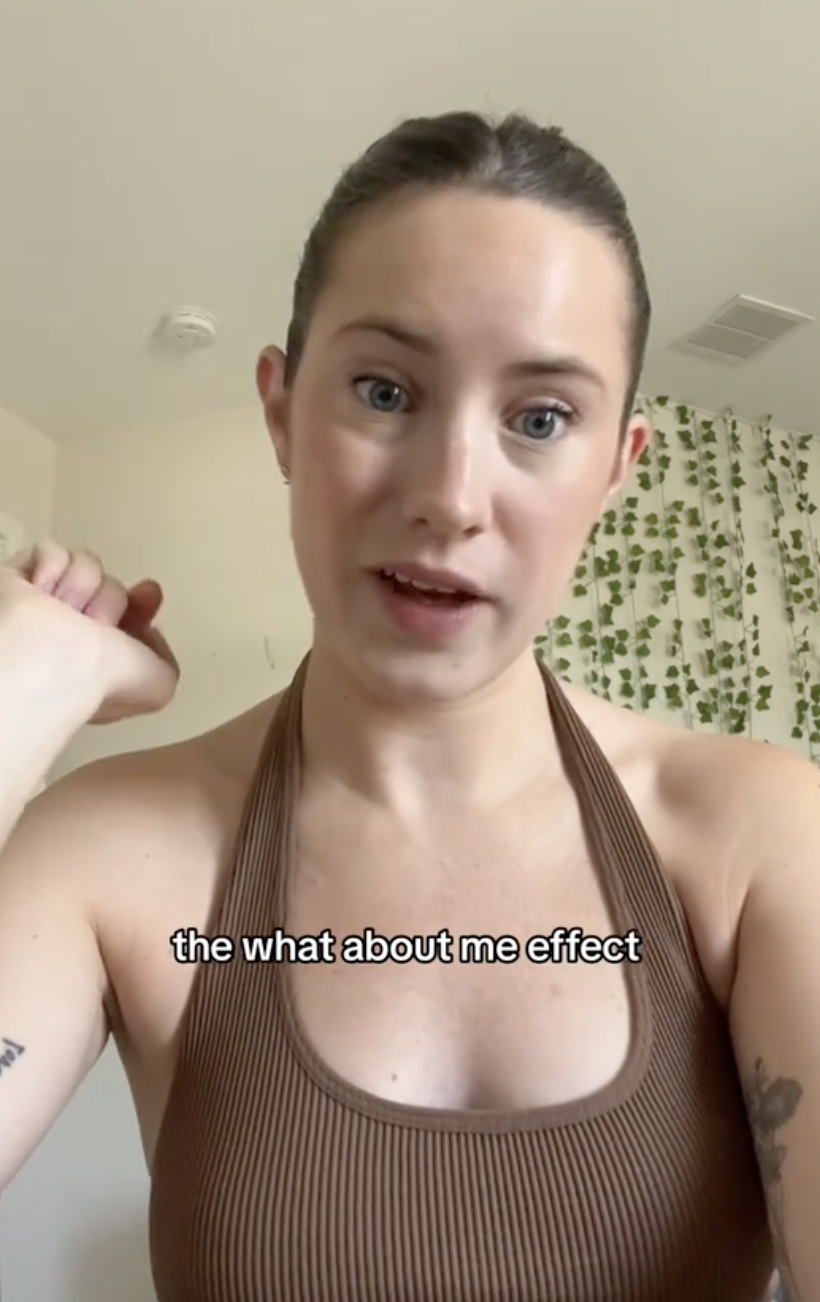
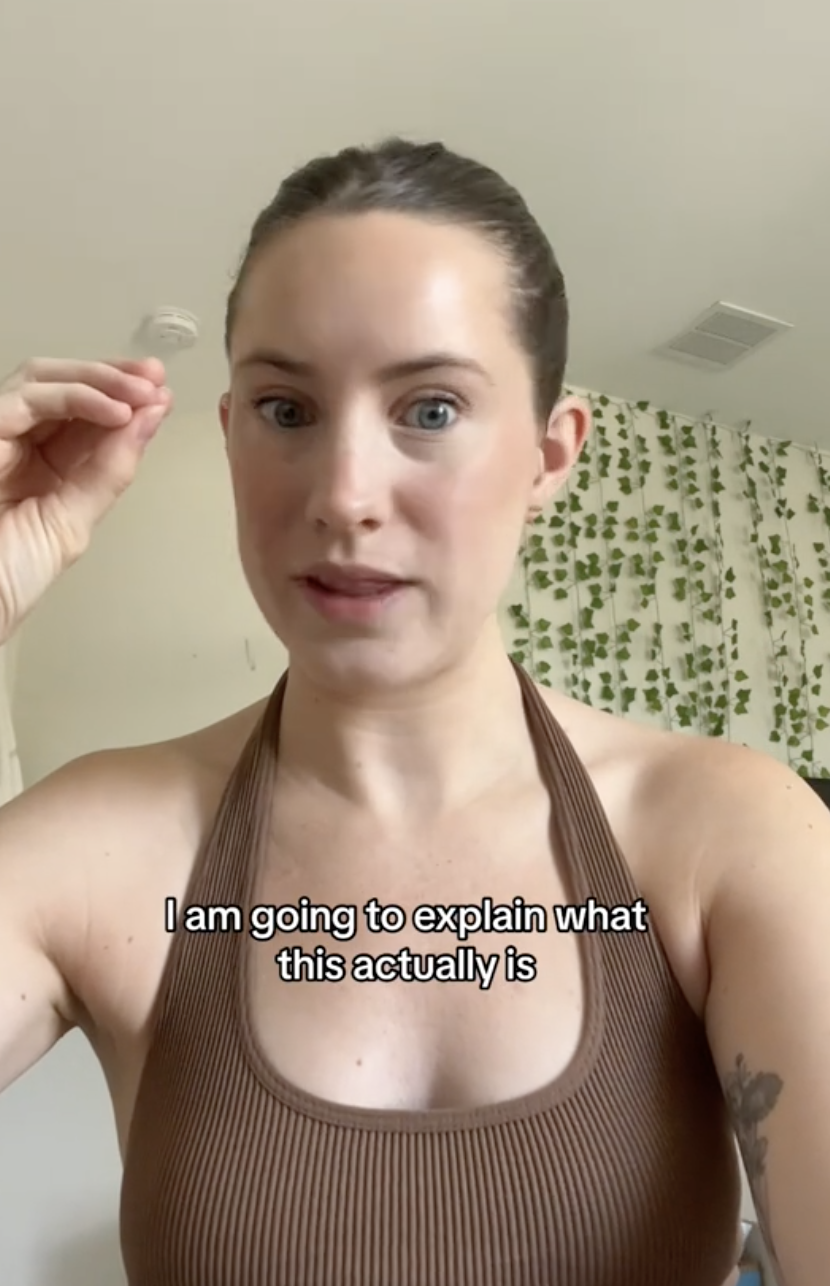
" The What About Me issue is when someone sees something that does n’t really relate to them , or they ca n’t amply relate to , and they find a way to make it about them , or seek to seek out certain accommodation for their very nuanced personalized spot instead of recognizing that possibly they ’re just not the target interview for that thing . "
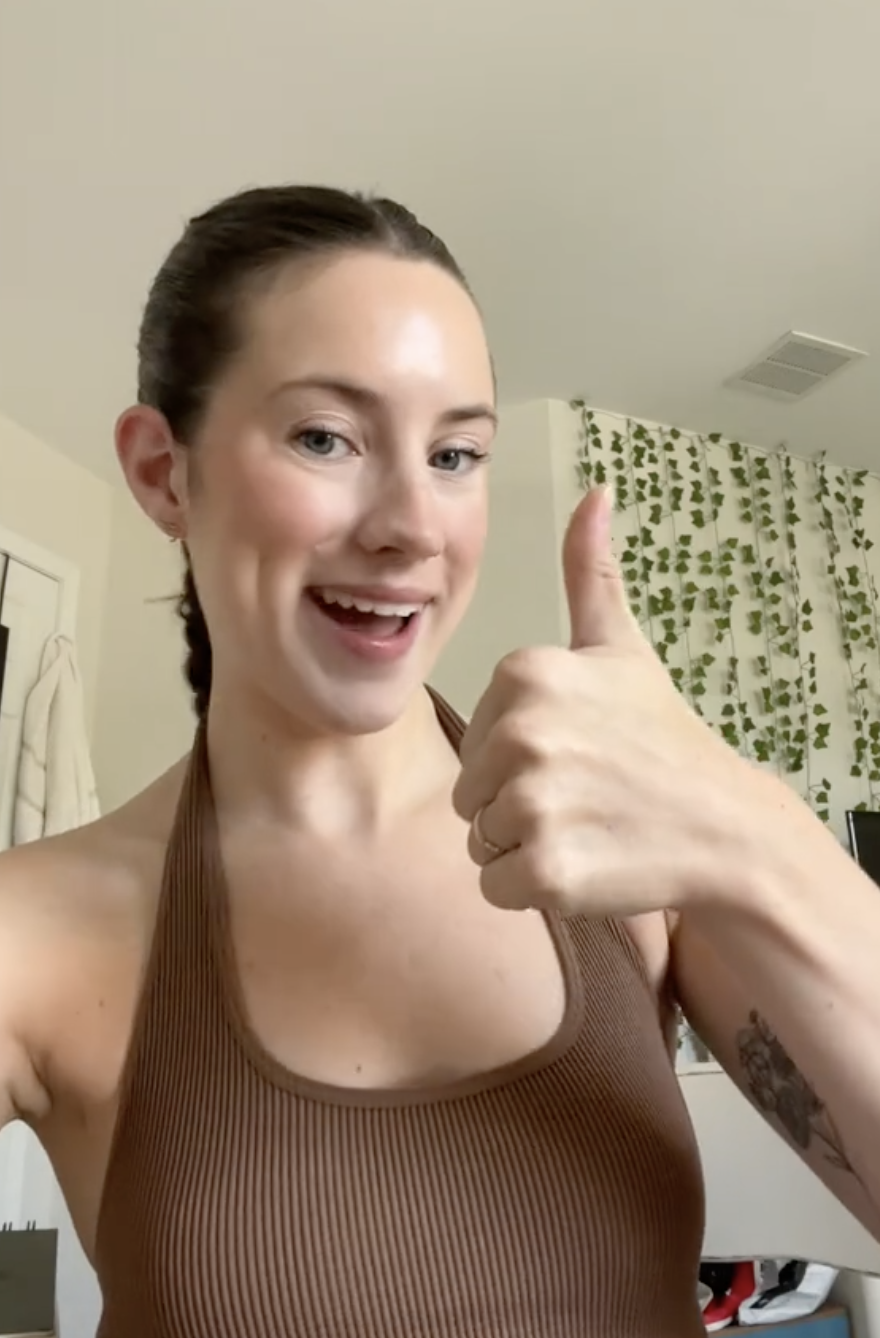
Have you experienced this? Sarah Lockwood — a 26-year-oldcontent creatorandlife coach— definitely has, and she recently wentviralfor calling it out and dubbing this phenomenon the “What About Me Effect.”
beansoup#beansoupcontroversy#chronicallyonline#individualism
In Sarah’svideo, which currently has almost 4 million views, she elaborates on the What About Me Effect, which she says, “Basically combinesindividualistic culturewith being chronically online, and it is rampant on TikTok.”
She continues, “The What About Me Effect is when someone sees something that doesn’t really pertain to them, or they can’t fully relate to, and they find a way to make it about them, or try to seek out certain accommodations for their very nuanced personalized situation instead of recognizing that maybe they’re just not the target audience for that thing.”
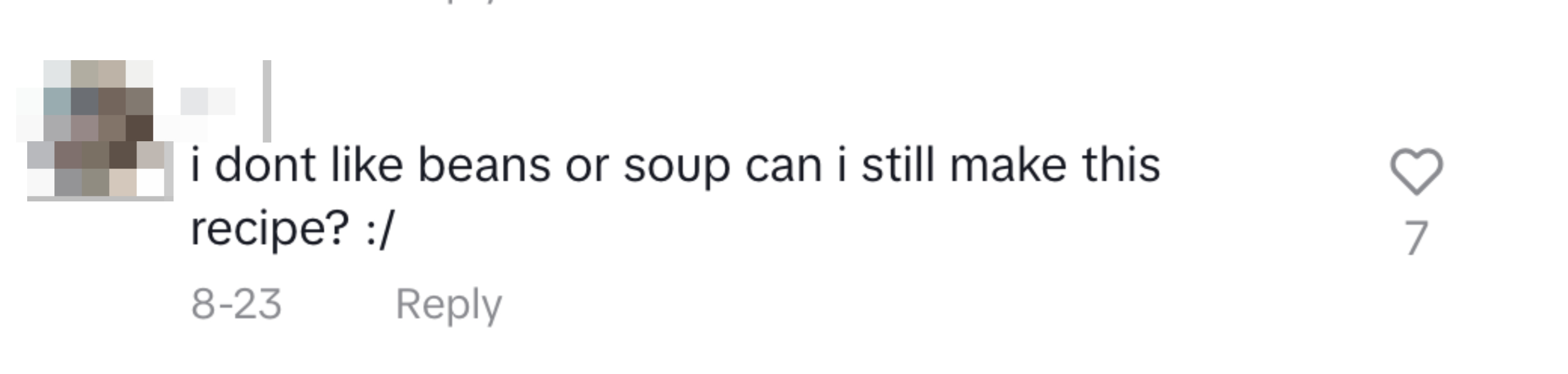
Sarah then gives a perfect example of the What About Me Effect: The “Bean Soup” debacle. “If anyone has seen the Bean Soup video, where this girl, she makes, like, a bean soup that’s high in iron to help with your period, and it has, like, a gajillion different beans in it, and it’s called BEAN SOUP…”
All my anaemic girlies this one is for you 💀 # soup#period#highiron#plantiron#vegan#veganrecipes#periodpositivity#momsoftiktok#womenshealth#anemia
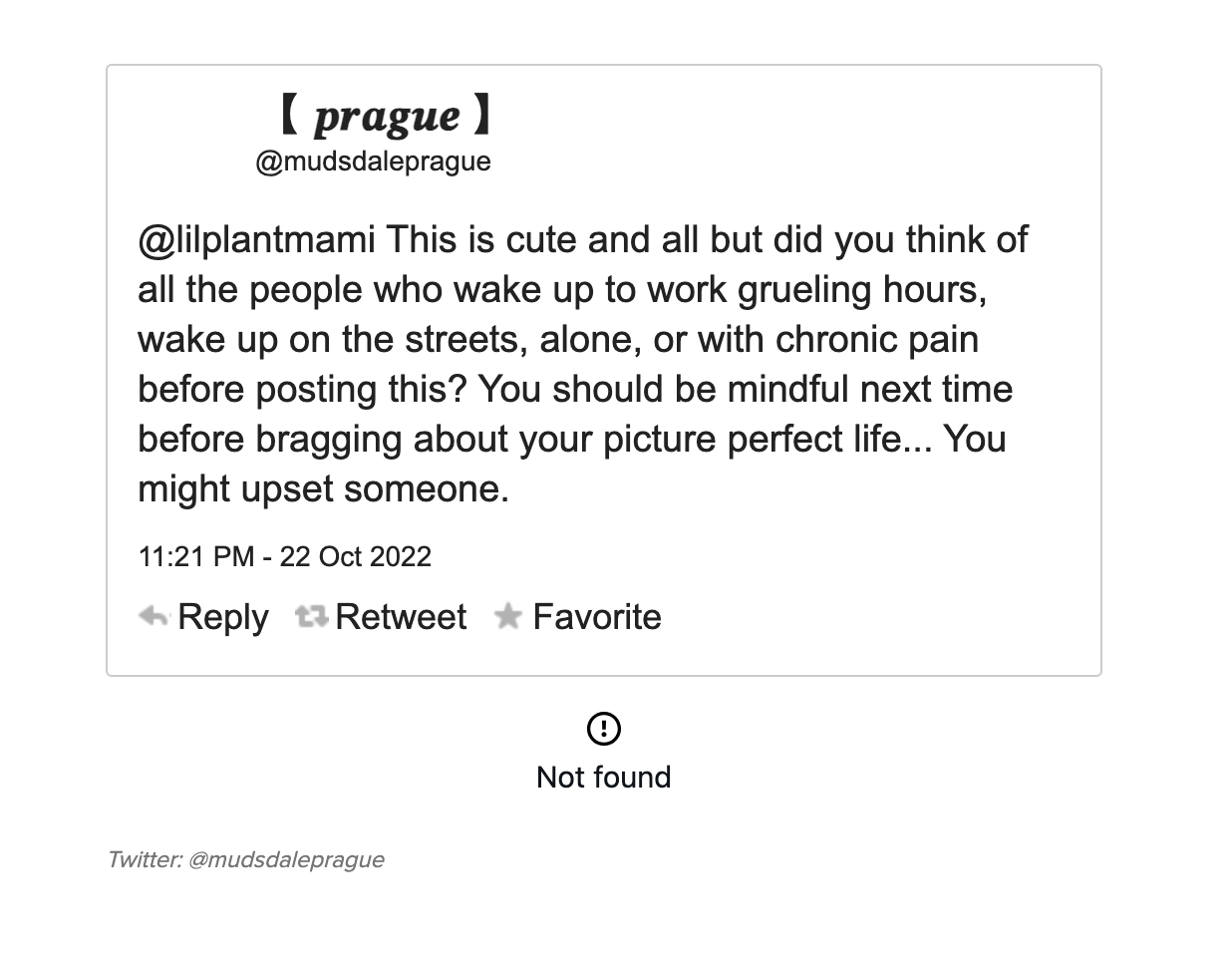
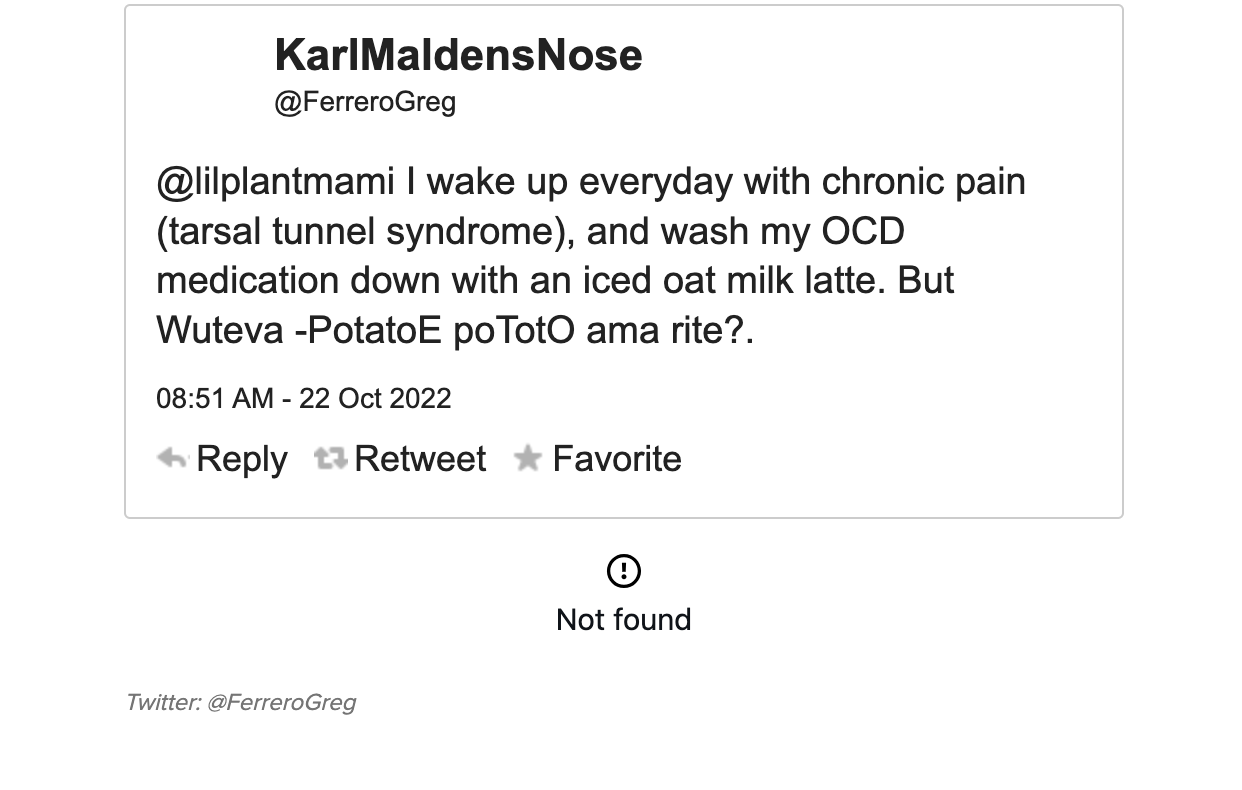
Speaking to BuzzFeed, Sarah also cited another example, which she thinks is one of the “worst” she’s seen: TheHusband/Garden Tweet. If you haven’t heard of this, a woman tweeted about spending her mornings drinking coffee and chatting with her husband in their garden.
my married man and i wake up every morning and institute our umber out to our garden and sit and talk for hours . every morning . it never gets old & we never go out of things to talk to . love him so much .
Who has metre to sit and lecture for hour everyday ? Must be nice
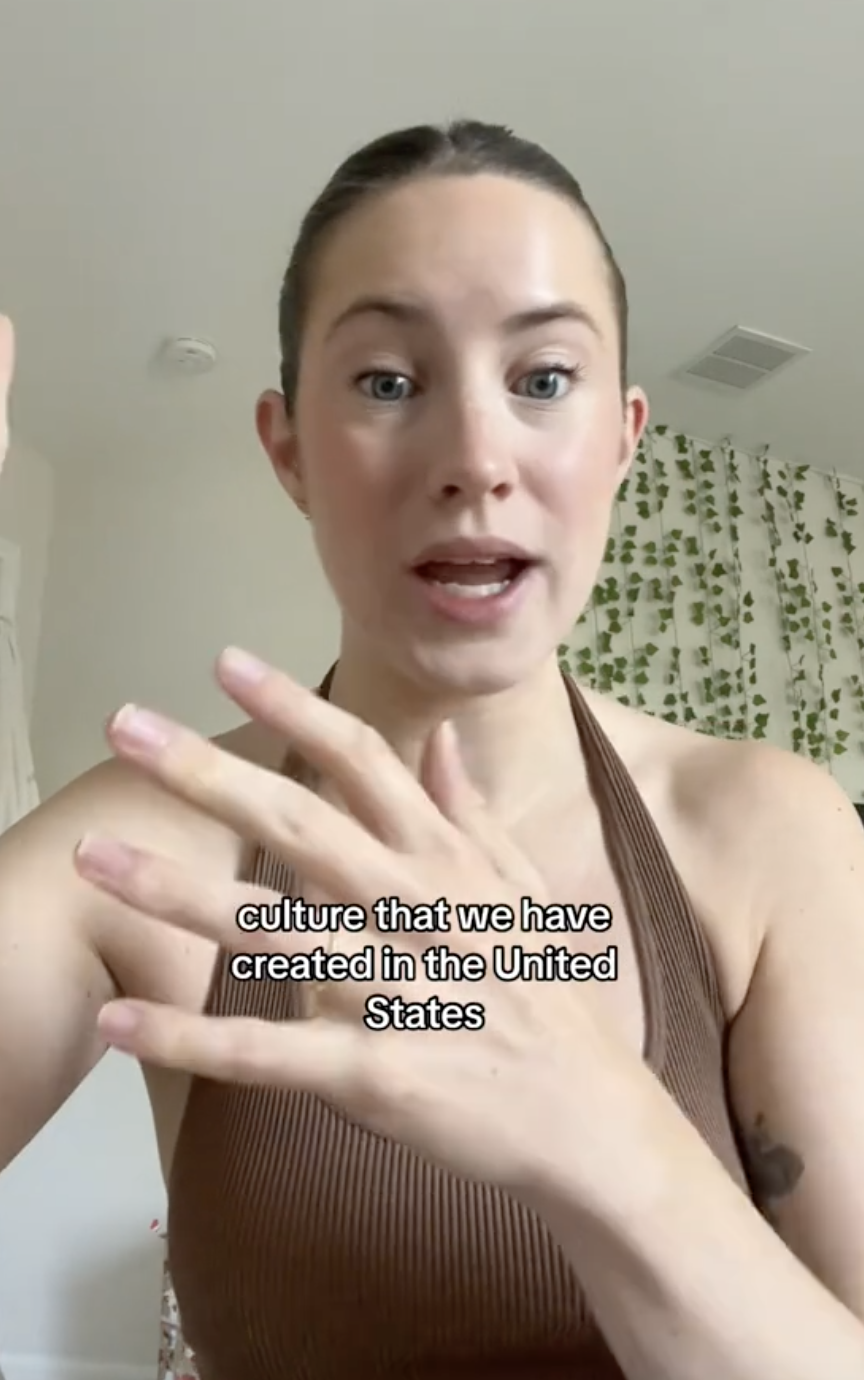
Further along in Sarah’s video, she mentions how many people simply view this kind of thing as a lack of common sense, but she believes it’s deeper than that: “I think it’s this individualistic culture that we have created in the United States — and maybe elsewhere, I don’t know, I don’t live elsewhere, I live in the US, and I see it running rampant here — where we make everything about ourselves and seek out accommodations and validation for everything.”
Sarah concludes her video by saying, “So, when you come onto this app, and you see a video, and you have the urge to comment something like, ‘Well, what about my very specific scenario?’…I’m gonna encourage you to stop, use your noggin, and remember that things are nuanced. Not everything can apply to every single person, and there doesn’t always need to be a specific accommodation for you.”
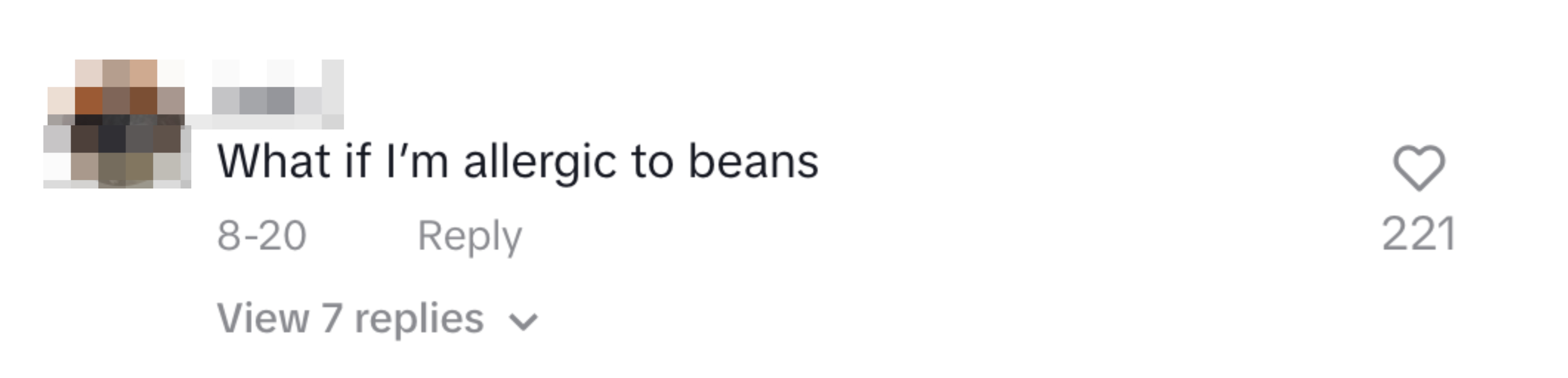
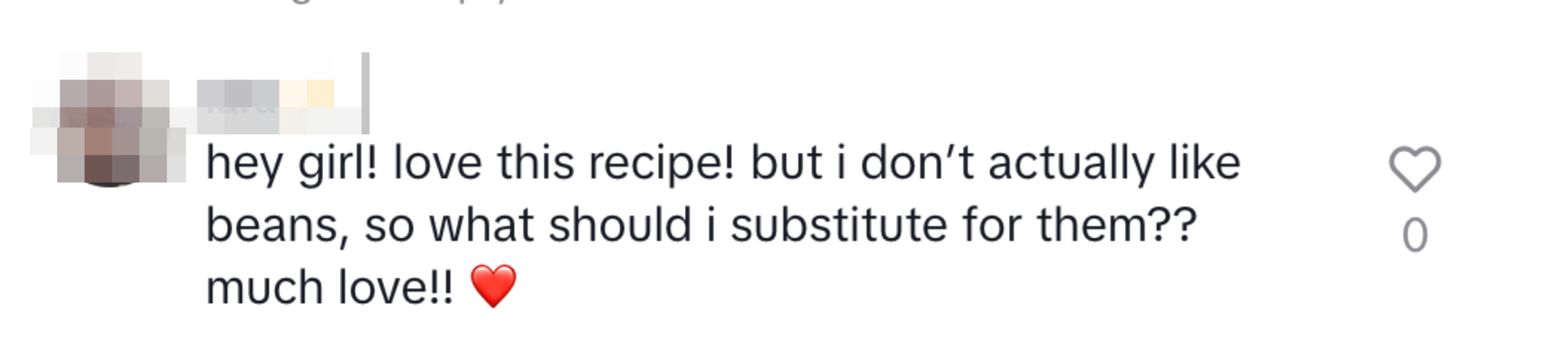
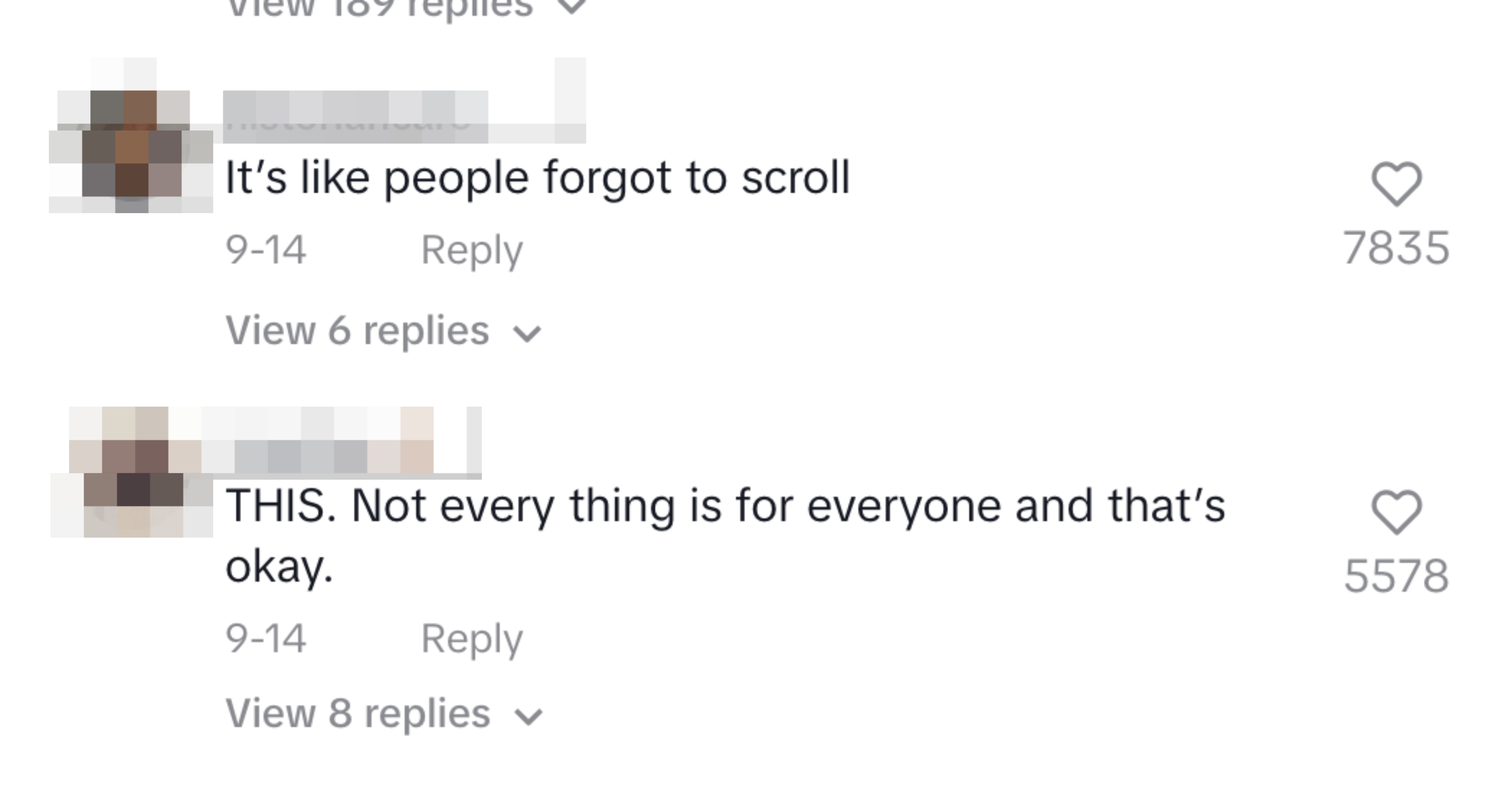
Thousands of people commented on Sarah’s video and agreed that the What About Me nonsense has gotten completely out of control:
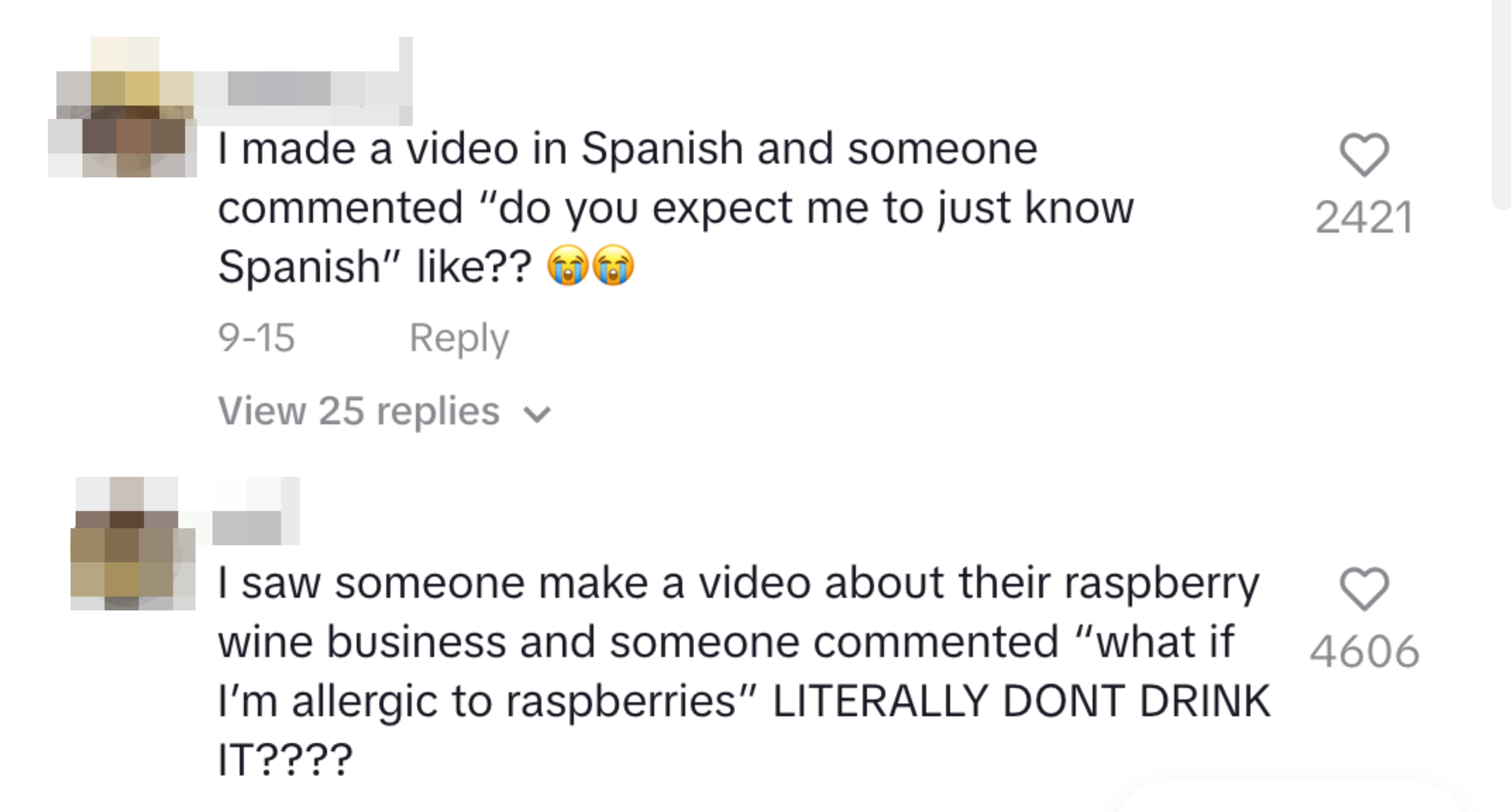
And others even chimed in with their own examples of the What About Me Effect in action:
She also noted that it’s important to keep the What About Me Effect in the right context, and not discourage others from sharing their personal experiences. “We want to be careful that we don’t overcorrect the What About Me Effect problem by discouraging people from asking questions, sharing opinions, or giving a personal anecdote. We relate to one another through sharing things like this, so we don’t need to get rid of that altogether. It’s important for community and connection.”
When asked if she has any advice for anyone who might be suffering from the What About Me Effect, Sarah responded, “Self reflect. Check your ego. Ask yourself why you feel the need to say, ‘Well, what about me?’ There are times for a conversation about inclusivity, and there are also times where we as individuals need to recognize that we are responsible for ourselves, and that not every video we see is going to be relatable for us, and it doesn’t need to be.”
She concluded, “I think that this is something we will have to work on individually in order to see that progress reflected in the collective. I believe that cultivating more self awareness, self reflection, and checking our egos more often will not only help put a stop to the What About Me Effect, but also help put a stop to many other societal trends and issues that we see today.”
I couldn’t agree more! To see more of Sarah’s content around the What About Me Effect, you can follow her onTikTok. To check out her life coaching content, you can follow her onInstagram.